


There’s something about the freedom to answer emails in your pajamas, draft an article while the laundry spins in the background, or sketch a fresh design in the middle of the night when inspiration strikes. But that magic can fade when work starts creeping into your personal life or when the same four walls just won’t spark new ideas.
For many freelancers, the home office works well, but only up to a point. No commute, no rigid dress codes, no chatty coworkers passing by your desk. Still, it’s far from distraction-free: roommates, construction noise, or a sink full of dishes that suddenly feels more urgent than finishing a project. And when they realize they’d be more productive in a quiet office environment, they’re rightly intimidated by the high cost of renting one.
That’s why many freelancers turn to coworking spaces. But is the hype justified? Are they really worth swapping your comfy home clothes for a membership fee? And are WeWork’s solutions the right fit for you? Let’s find out.
Coworking for freelancers is a no-brainer when…
- You crave work-life separation
“Don’t take your work home with you,” they say. But what are you supposed to do when your work is already at home with you? Until a few years ago, it was simple: your workday ended the moment you stepped outside the office. With remote and hybrid work now the norm, it takes extra discipline to separate your personal life from your work life.
Let’s face it: it’s tempting to leave your laptop open when it’s sitting right next to you and you don’t want to keep clients waiting another business day. But without clear boundaries, your mental health can take a real hit.
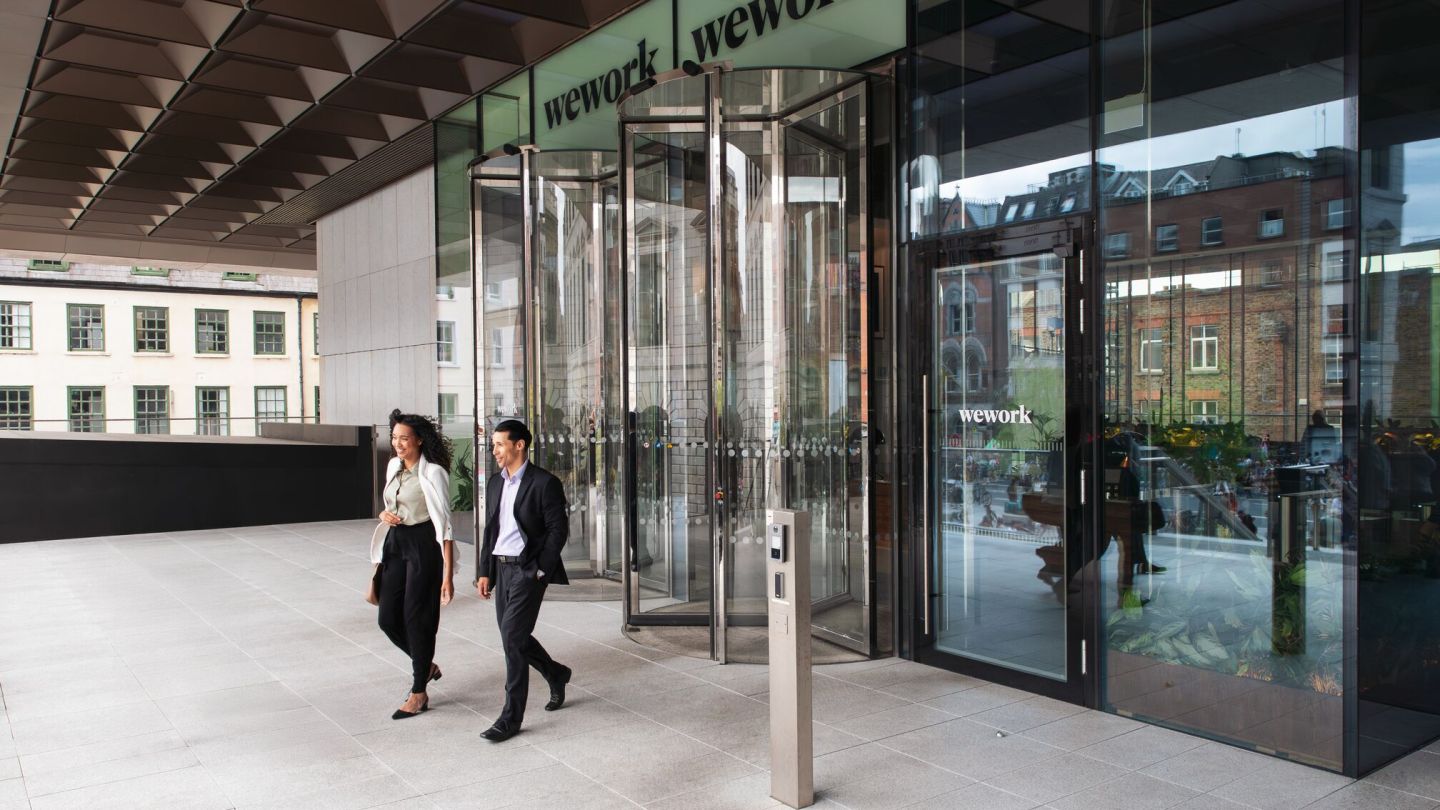
- The WeWork alternative: With WeWork, you can work from flexible office spaces that give you a structured day. You step into the office to focus, then step out, leaving work exactly where it belongs.
2. Your remote setup isn’t enough
The benefits of coworking also shine when your home office isn’t fully equipped for a productive workday or doesn’t look professional enough to impress clients. Maybe you lack the tech at home, so you’re running back and forth to print shops. Or maybe you’ve had to build makeshift backgrounds just to look credible on video calls.
- The WeWork alternative: From private offices and meeting rooms to common areas and even phone booths, our spaces support your professional image. You’ll also have all the essentials freelancers rely on: high-speed internet, printing, and mail services.
3. Freelancing feels lonely
If anyone knows what it’s like to work alone, it’s freelancers. And many thrive on it, getting in the zone and enjoying long stretches of deep work without interruptions. But at the end of the day, we’re social beings. Those casual watercooler chats and small talks in the hallway are more than just corporate clichés. Working remotely can easily start to feel isolating when there’s no one around to even say hi to. And isolation, once again, doesn’t do wonders for your work-life balance.
- The WeWork alternative: Community is the pillar of every WeWork space. Sure, members love the amenities and design, but it’s the sense of belonging that keeps people coming back.
4. Your productivity dips
You need more than just a laptop and a desk to stay productive. When the carpet suddenly needs vacuuming, your partner is running through the shopping list, or nothing around you is built to keep you in the zone, it’s hard to focus. You’re stuck shifting between staring at the wall and a blank document, something even a fourth cup of coffee can’t fix. However, having a separate place to work can feel like a mental switch, putting your brain into ‘work mode’.
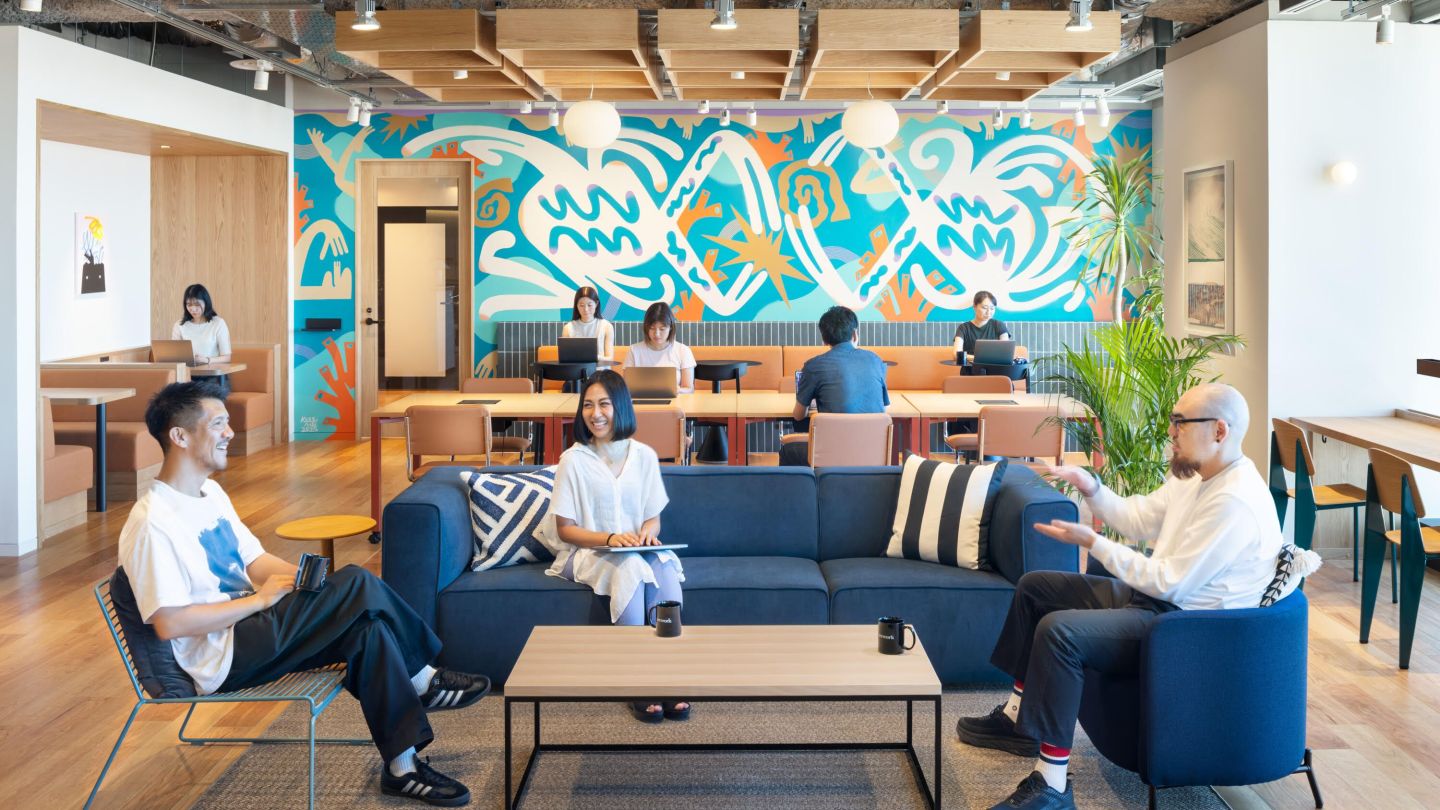
- The WeWork alternative: Being surrounded by others who are also deep in work is a powerful motivator. Add a fresh change of scenery, and it’s even easier to stay on task. Every corner of our coworking spaces is designed with productivity in mind, whether you want to collaborate or hunker down and get things done.
5. You’re out of inspiration
We all beat ourselves up sometimes when the ideas just won’t come. But inspiration can’t be forced; it needs the right conditions to spark. For some, that’s a sunny walk, an interesting podcast, or a spontaneous chat. And when you want to take it up a notch, coworking spaces can be the right setting to bring fresh energy back into your work.
- The WeWork alternative: At WeWork, we know that creativity isn’t linear, and neither is the way people work. Some people are at their best in the morning, while others get a burst of creativity after lunch with colleagues. That’s why our spaces inspire: think natural light, colorful collaboration zones, cozy private nooks, and an overall atmosphere that sparks new ideas.
6. Your workspace should do more
You might love what you do, but a day filled only with back-to-back tasks can still drain you. Hunching over your desk and limiting breaks to the bathroom, a quick lunch, or the occasional glance out the window isn’t exactly the recipe for a meaningful workday.
- The WeWork alternative: Our amenities are ideal for freelancers. Depending on the location, you might sip coffee on an outdoor terrace, bring your pup along, blow off steam in a game room, or squeeze in a workout at the fitness center before a refreshing shower. There’s something for everyone.

7. You’re worried about the price
We can’t talk about renting a workspace without admitting that cost can be a burden. It might feel like an investment you’d rather avoid, so you sacrifice comfort instead of paying a hefty fee you’re not even sure will pay off. That’s especially true for traditional office leases, which tend to lock you into long commitments with little flexibility.
- The WeWork alternative: Coworking spaces are known as affordable alternatives to traditional offices, and for good reason. With month-to-month memberships like WeWork All Access or even day passes like WeWork On Demand, freelancers can choose the coworking solutions that suit them best. In short, you only pay for the space you use, when you use it, with no hidden fees weighing on your budget.
8. You’re ready to network and grow
We’ve already touched on the isolating side of remote work. But it can also make professional growth harder. You’re left to rely on online courses, attend digital conferences, and limit yourself to whatever opportunities the internet can offer. And if you want to join physical workshops, you usually have to go out of your way.
- The WeWork alternative: Coworking spaces make networking AND growth easier. With on-site events and workshops, you can connect naturally with like-minded people, learn from professionals both inside and outside your field, and even have fun while doing it.
Coworking and freelancing, hand-in-hand
If you found yourself nodding along to most of these points, then coworking might be just the move for you. It could connect you with the right people, pull you out of a mental block, and break up the monotony of your workdays. The list could go on; there are countless other reasons to trade your home office for a coworking space.
The bigger picture? Freelancing isn’t slowing down. In fact, research from Statista shows that by 2027, half of the U.S. workforce could be freelancing. The best part? Coworking spaces, and WeWork among them, are adapting just as quickly, ready to support the changing needs of today’s and tomorrow’s workforce.


