


Book a desk on the same floor on the same day as two other creative professionals, and the three of you will need completely different things from the day.
A copywriter needs four uninterrupted hours and a desk setup that’s good for working alone. A designer is hoping someone will glance at a layout before the whole afternoon disappears. The photographer at the end of the table didn’t come in for the desk at all. They’re culling 900 frames from yesterday’s shoot before a client call.
Same floor, but three different jobs to do.
The setup that protects a writer’s headspace can leave a designer feeling boxed in, and an arrangement built around a photographer’s shoot schedule would frustrate someone who works the same hours every week.
Luckily, knowing your own work needs helps you match it with the most suitable flexible workspace option.
Writers build for the long stretch
Writing is serial work. You’re holding the sentence you’re in, the paragraph it belongs to, and the argument you set up three pages back, and you move forward by adding to that stack. You’re in a flow state, and if that’s disrupted, the time (and frustration) it takes to pick everything back up can disrupt your entire plan for the day.
And while you might want to chase complete silence for that, it’s actually predictability that helps you the most. Simply put, you need a place you’re not unexpectedly moved out of mid-flow.
A dedicated desk does more for a writer than a quiet corner does. You can start your morning with your draft, instead of logistics. And when a call lands mid-draft, a phone booth keeps it from becoming everyone else’s call as well.
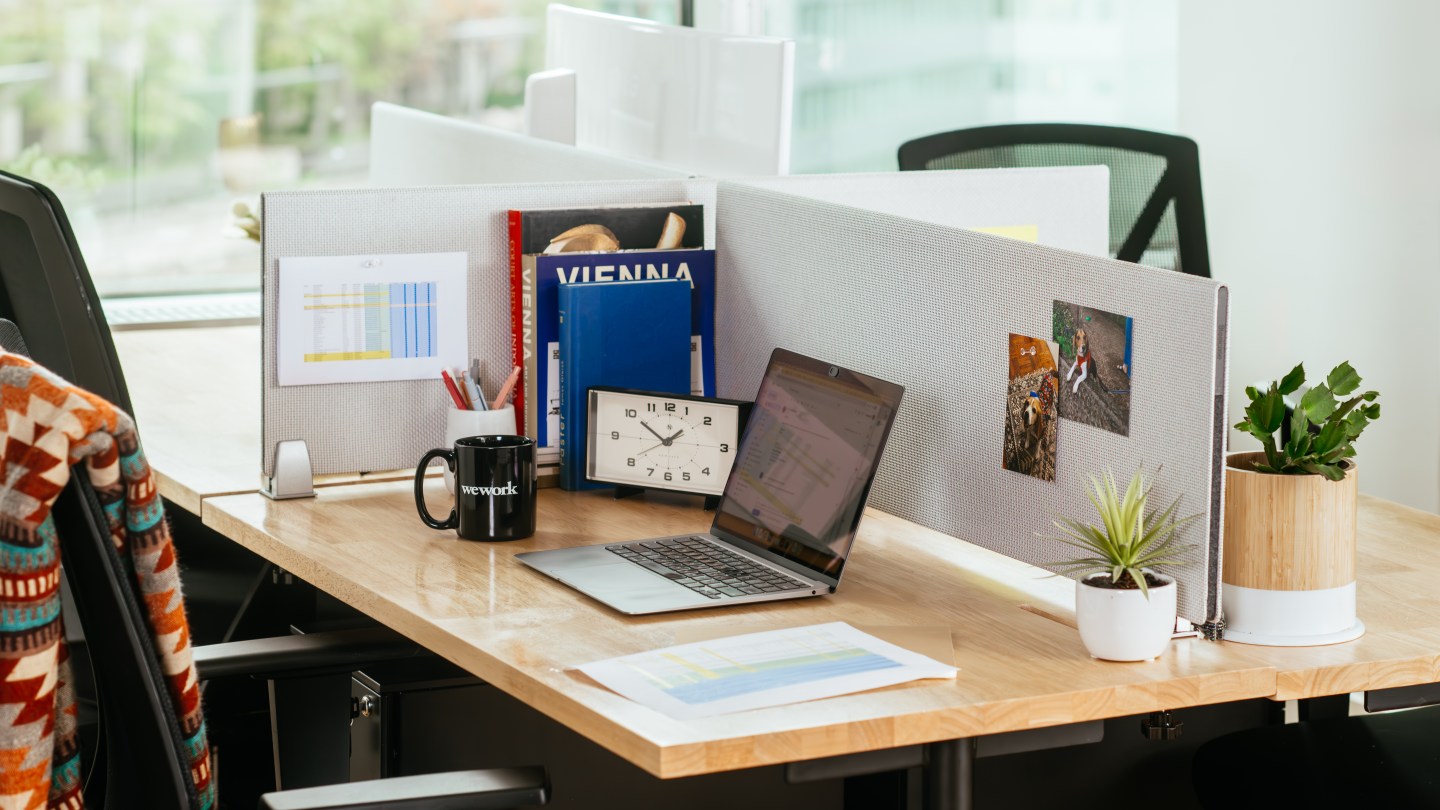
Designers think faster within earshot
Design runs on a whole different fuel. You create a version, you look at it, you make another one. Ten minutes of someone else’s eyes at the right moment can save you the four hours you were about to spend defending a direction that was never quite working.
That’s hard to arrange when you work alone. You can send a file to a group chat and wait, but waiting is productivity lost. On an open coworking floor, the person two seats over will look up if you ask. They don’t even need to be a designer: the value of a second opinion is that it comes from someone who wasn’t inside the problem with you.
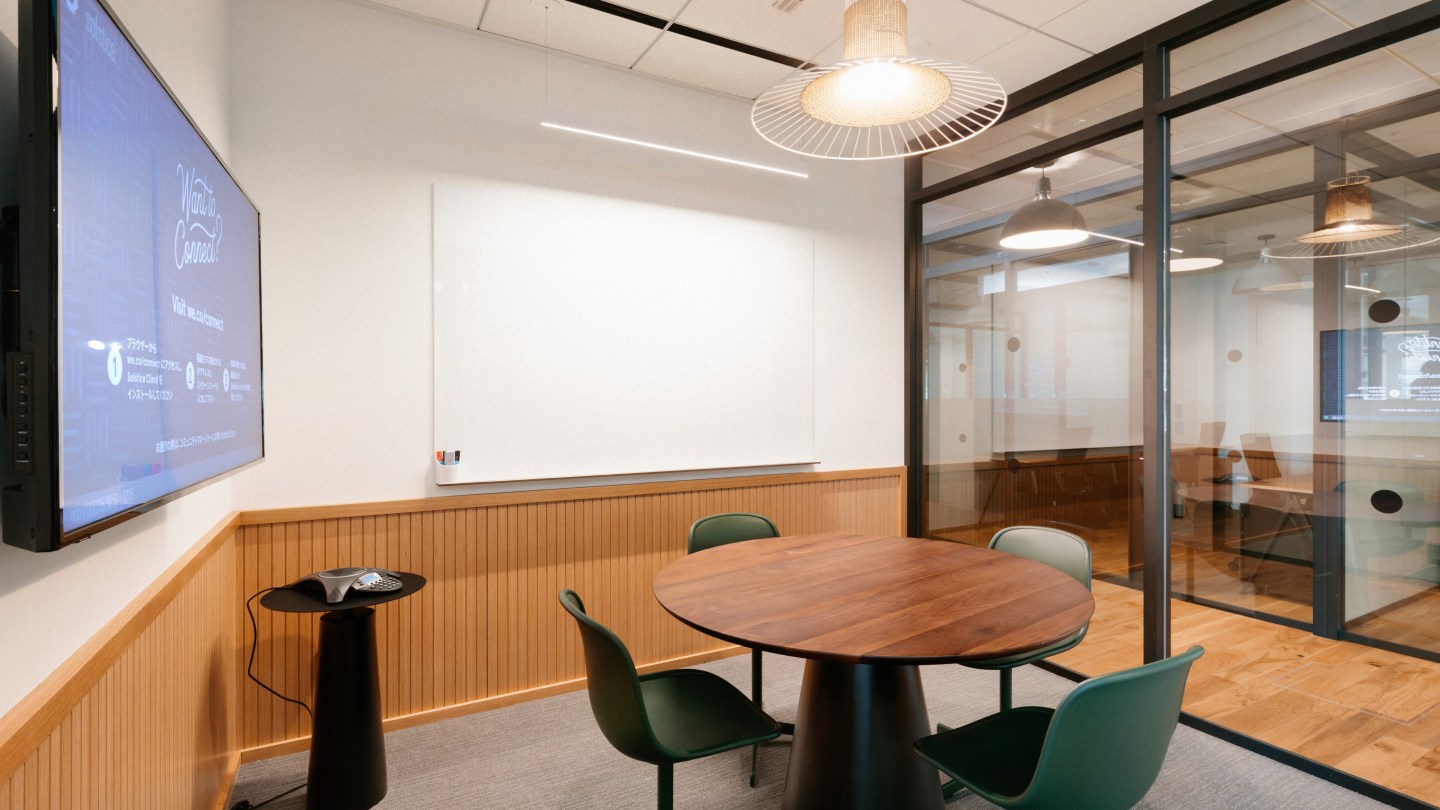
When the feedback turns formal, that calls for a different setting. That’s when you get to book a meeting room with a whiteboard and a screen for a client review.
Photographers need the hours around the shoot
For photographers, the making happens on location: a client’s office, a rented studio, or even outdoors. The workspace supports everything else.
Culling and editing take far longer than the shoot itself. Client review sessions, where you’d rather not be explaining a color grade over a video call with distractions around you. Somewhere to leave two hard cases while you take a call, and somewhere to charge a wall of batteries that isn’t your bedroom floor.
Plus, photography timelines move in projects rather than in weeks, so the question isn’t how many days a month you’ll turn up, but when. A wedding photographer’s August looks nothing like their February. Commercial shoots might have three intense weeks followed by ten days of nothing but retouching. Booking for this reality (days when you need them, a room by the hour when a client is coming) beats paying to hold a desk when on location for a shoot.
Not every hour is a making hour
Let’s face it: creative work isn’t linear. Some mornings the writing arrives fully formed. Some afternoons you reread the same paragraph eleven times, and it gets worse each time.
No workspace fixes that. Anyone who tells you a well-designed lounge will reliably produce ideas is selling furniture.
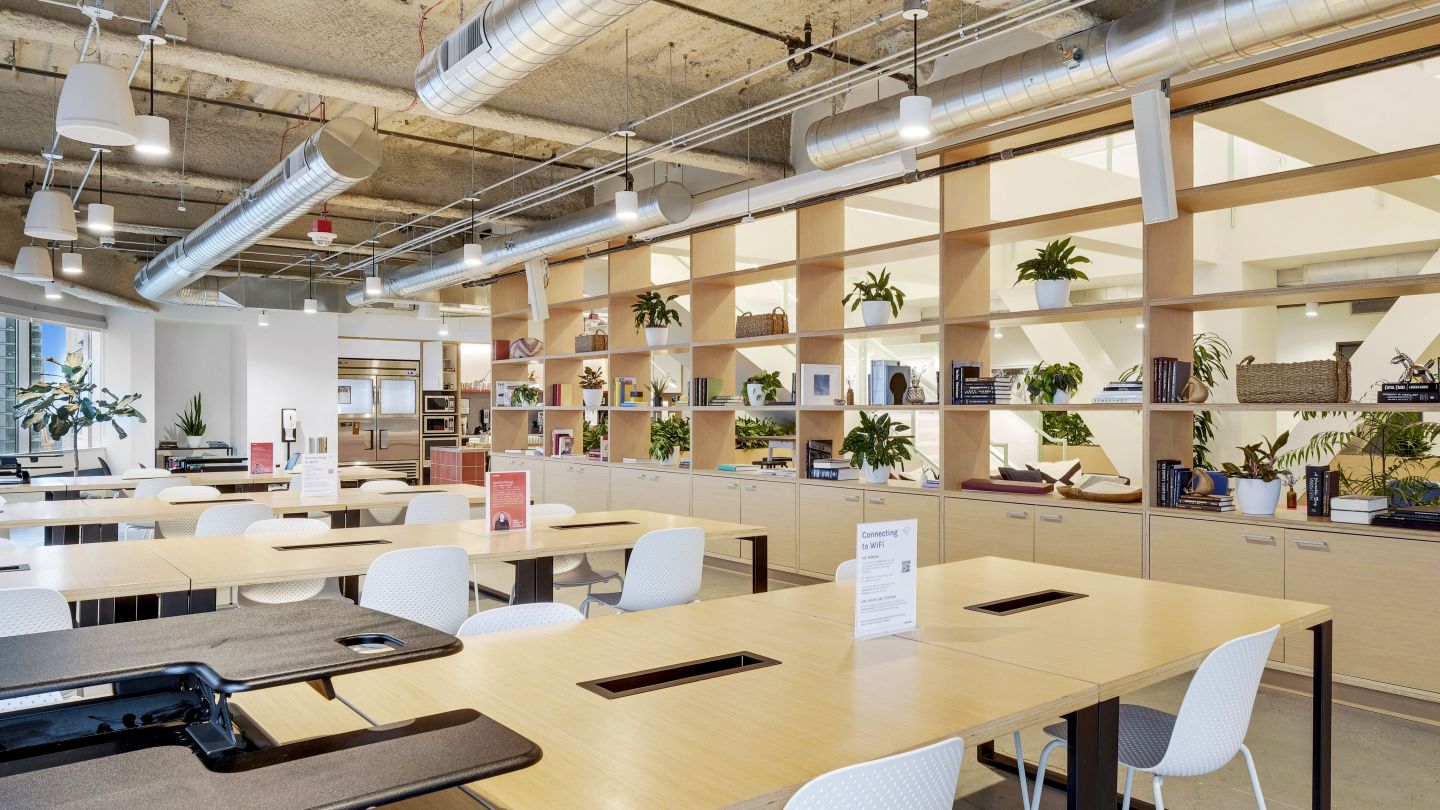
What a good space does is give the flat hours somewhere useful to go. When the making isn’t happening, you move: the admin pile gets cleared from a lounge chair, and the reading that feeds next month’s work happens away from your inbox. You stop treating the unproductive hour as a failure and start treating it as the part of the day that handles everything else.
There’s a simpler benefit too. On the days when nothing is coming, having somewhere to go is the whole reason you eventually start.
What to keep outside the membership
A coworking membership handles a specific slice of creative work: the desk work, the thinking work, the client-facing work, the business behind the practice. It isn’t a studio, and pretending otherwise leads to disappointment.
Physical work — large-format canvases, ceramics, set building, anything involving solvents or sawdust — needs a studio, and a shared professional floor is the wrong environment for it. Shooting still means renting stages and locations. If your best writing happens at 5 AM, keep the home setup for those hours and use the workspace for everything else.
Knowing where the edges are is what makes the rest work. A membership that covers four days of your week is worth more than one you expected to cover seven.
Three disciplines, three WeWork setups
Once you know how your work behaves, the choice gets easier. WeWork’s options map onto these patterns directly:
| If your work looks like this | The setup that fits | What it gives you |
| Long writing stretches, roughly the same hours each week | Dedicated Desk | Your own assigned desk no one else occupies, so equipment stays put and the day starts without negotiation |
| Design or creative work that sharpens with other people around | WeWork All Access | A coworking space booking across hundreds of locations, plus credits for meeting rooms when a review needs a door and a screen |
| Project-driven work with location days and editing days | WeWork On Demand | Desks booked by the day and meeting rooms by the hour, with no monthly commitment during the slow stretches |
Find your rhythm, then your room
Before you compare memberships, spend a week paying attention to your own working pattern. When are you most productive? How often does the work improve because someone else looked at it? Count how much of the month is production and how much is everything that comes after.
Answer those, and the right setup will follow. The writer who needs the same desk every morning and the photographer who needs three days in March aren’t choosing between good and bad options. They’re choosing different ones, and both are available at the same address.
Explore the locations near you before you commit.


