


Professional success was, for the longest time, a linear path. People worked at the same company for countless years, “climbed the proverbial ladder”, and got the corner office with their name on the door before retiring. However, that path has not only been revised. It’s been completely upended, especially by younger workers.
Deloitte’s 2025 Gen Z and Millennial Survey, which polled more than 23,000 respondents, found that only 6% of Gen Z workers say their primary career goal is to reach a senior leadership position. The rest? They’re focused on money, meaning, and well-being. And that’s not because they lack ambition, but because they’ve decided what ambition looks different to them. Even where they work reflects this change: coworking spaces, with their flexibility and equal playing field, have become the natural habitat for this new kind of ambition.
What does success look like now?
What does career success mean today? Ask five people and you’ll get five answers, but the patterns are consistent. Control over your schedule. Work that connects to something you care about. A community that feels chosen, not assigned. Enough financial stability to breathe. Enough flexibility to live a life that doesn’t revolve entirely around a job title.
This isn’t a rejection of hard work. Roughly nine in ten Gen Z and millennial respondents in the Deloitte survey said that a sense of purpose is important to their job satisfaction. Seven in ten Gen Z workers say they develop new career skills at least once a week. They’re ambitious. They’re just measuring success with more meaningful tools than a promotion tracker.
Redefining success at work means rewarding the whole person, not just their output.
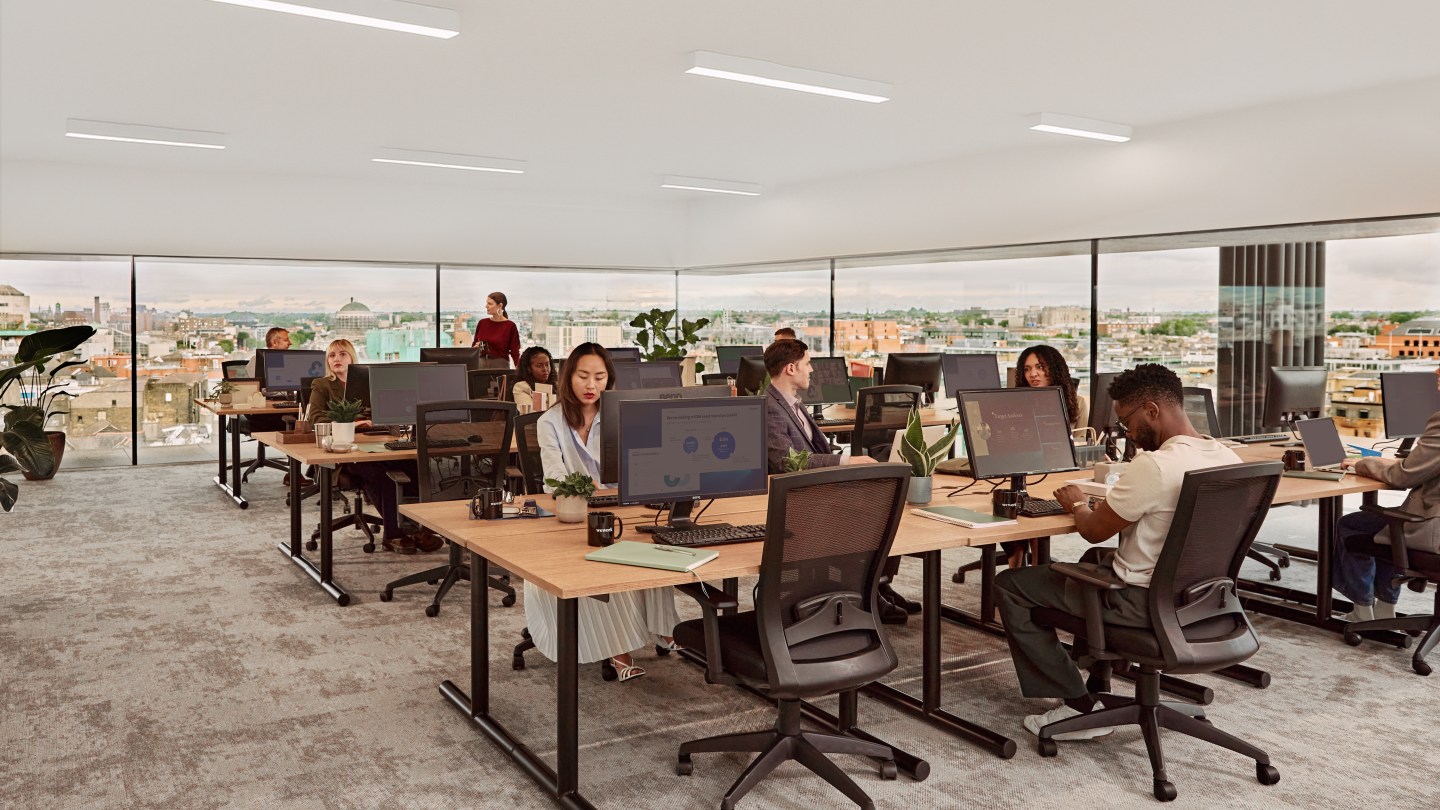
Why coworking fits this shift
A traditional office is designed around a company’s needs. Your desk is where they put it, and your community is the people who happen to work in the same department. None of that was built with autonomy or personal fulfillment in mind.
Working from home gives you freedom, but it often takes away something else. Gallup’s 2024 report found that 25% of fully remote workers experience loneliness, compared to 16% of on-site workers. For a lot of freelancers and remote workers, the days can lose their shape, the social connections thin out, and the freedom they’d worked so hard for starts to feel empty.
Coworking spaces directly address some of these pain points. You choose where to sit, how much interaction to have, and who to have it with. That combination of structure and agency is exactly what a purpose-driven work environment looks like in practice.
The research behind the feeling
A Harvard Business Review study by researchers at the University of Michigan found that people who work in coworking spaces report thriving at nearly 6 out of 7 on a standardized scale, at least a full point higher than the average traditional office worker. The number was so high that the researchers went back and rechecked the data. It stayed the same.
Three things explain the result. First, coworking members feel their work is meaningful, partly because many are freelancers, consultants, or founders who’ve chosen work they believe in, and the space reinforces that identity. Second, they feel a sense of control over what they do and how they do it. Third, they can present their authentic selves without the performance of corporate culture: no office politics, no navigating a hierarchy, no pretending to be someone they’re not.
Why people thrive in coworking spaces comes down to a specific cocktail: meaningful work plus control plus genuine community. Those happen to be the same ingredients that younger workers are now using to define success.
Community without a corporate ladder
In a traditional office, your network is defined by the org chart. You connect most with the people in your department, your floor, your direct team. Relationships are shaped by proximity and reporting lines.
In a coworking space, the dynamic is different. You meet a graphic designer at the micro-kitchen who’s working on a project similar to yours. You sit next to someone for three weeks before you finally talk, and it turns out you share a client in common. These connections happen because you’re in a space with people across industries who share your values.
For professionals looking for coworking and career fulfillment, this matters. Fulfillment comes from natural interactions with people whose presence you actually enjoy. And as a bonus, you also get to join networking events.
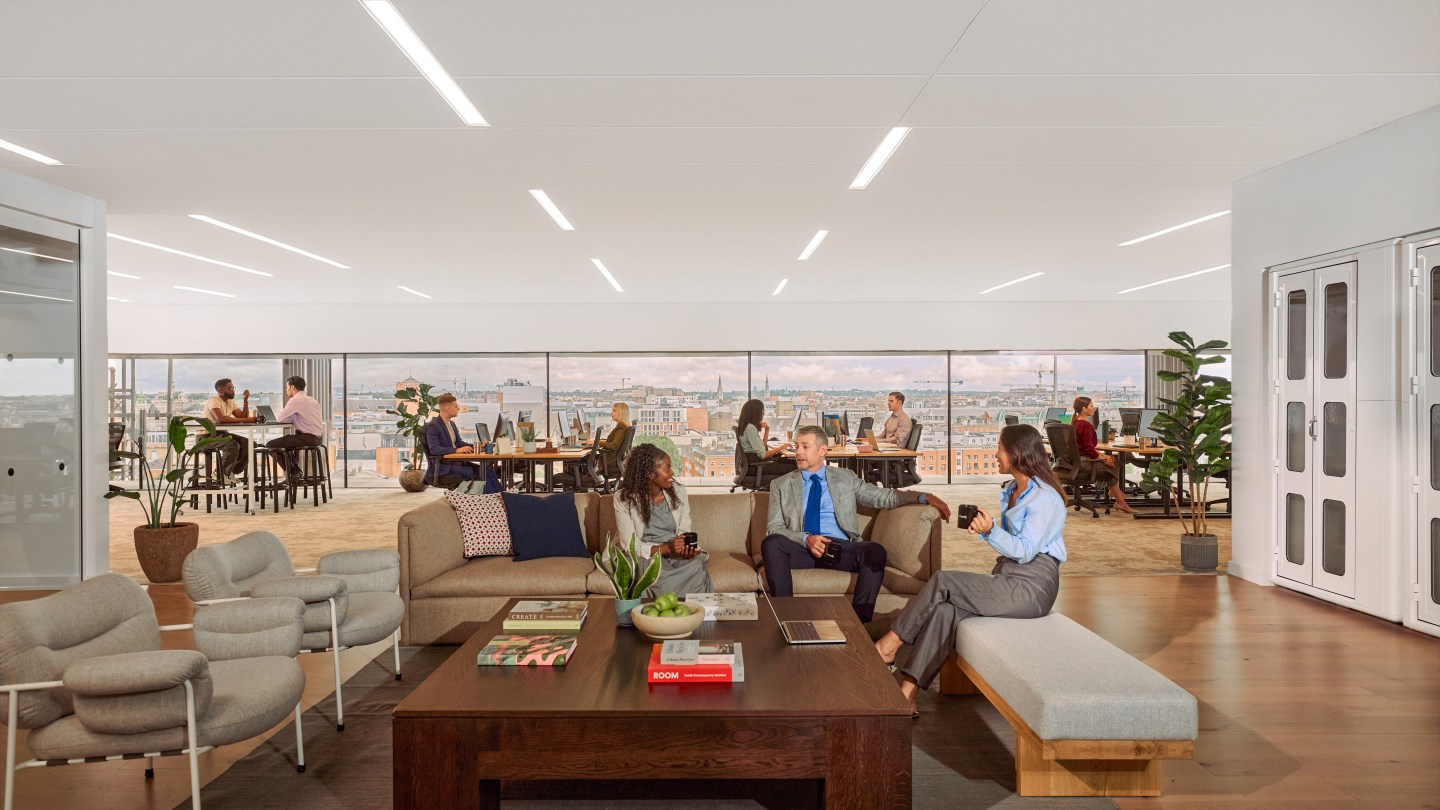
What this looks like day to day
How to find meaningful work as a freelancer or remote professional is partly about the work itself and partly about where you do it. A home office can support deep focus, while coworking spaces offer a place to go, a community to be part of, and a rhythm that separates “on” from “off.”
Is coworking better than working from home? Yes and no. For most people, coworking is a complement rather than a replacement. Two or three days a week at a coworking space gives you the social energy and structure that home sometimes lacks, while keeping the flexibility of remote work on the other days. That hybrid rhythm, where autonomy at work for remote professionals means choosing the environment that fits each day, is what balance looks like when you design it intentionally.
The space you work in shapes the career you build. When that space is designed around choice, community, and flexibility, success starts to look a lot more like the version you actually want.


