


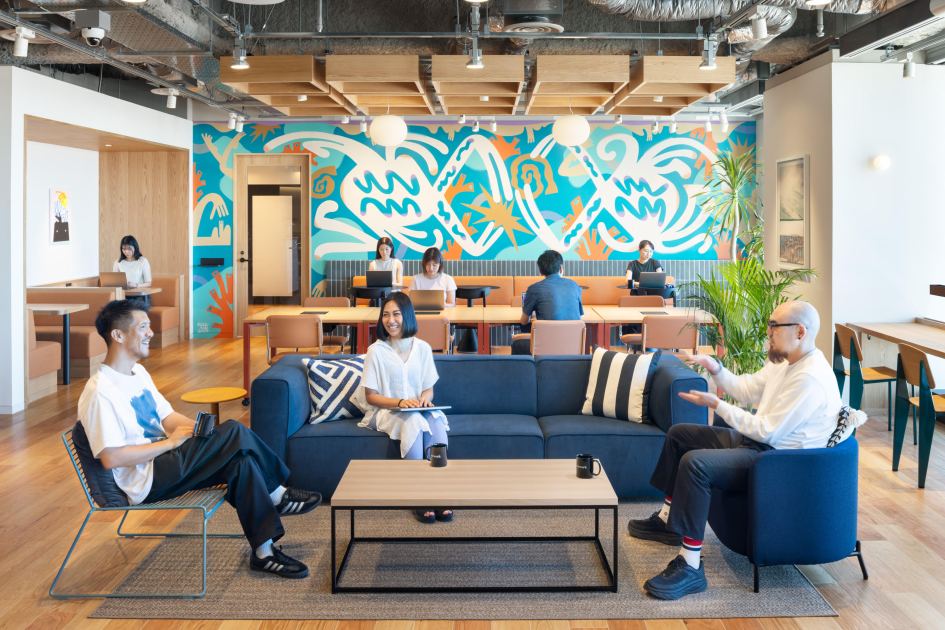
A typical workday used to follow a familiar rhythm: you left home in the morning, went to work, and came back home at the end of the day. Daily life was pretty much divided between these two places. Home was the first place, where personal life unfolded. Work was the second place, where we focused on professional responsibilities only.
But there was always a third space, too. And though the benefits of third places can’t be overstated, it’s really easy to overprioritize the first two when duty calls from every direction.
Why are third spaces important?
Because this is where people gather to socialize, connect, relax, recharge, and have fun while doing all that. They’re the cafés where you catch up with a close friend, the parks where you picnic with family, or the community spaces where you meet even more like-minded people. All of these serve a basic human need: connection.
And it’s easy to see how traditional office spaces weren’t designed to support that. However, coworking spaces—with WeWork at the forefront—are intentionally built with this need in mind.
Where do third spaces come from?
Sociologist Ray Oldenburg first coined the term third place to describe informal public settings that exist outside of home and work. He emphasized that these are places people choose to spend time in, as opposed to having work or home-related responsibilities.
Examples of third spaces include cafés, libraries, parks, and bars, among many others. Spaces centered on conversation, socializing, and simply being together, without obligations or expectations. Oldenburg described these as anchors of community life: environments that support social interaction without pressure or formality.
So now that we know where third spaces come from, the question becomes: where are they headed? The period of imposed quarantine a few years ago made it difficult to frequent these gathering spots. It made sense for coworking spaces to step in to fill the gap and become hubs where people not only work, but form valuable connections, too.
Third spaces in the remote and hybrid work era
It’s no news that work has become more flexible in recent years, and that it can now happen from your kitchen table, too. But while the flexibility of remote work is an undeniable win, it has also been way more isolating. And a feeling of belonging at work is just as important as anywhere else in life. We need to feel like we fit in, like it’s a place that makes sense for us to be in.
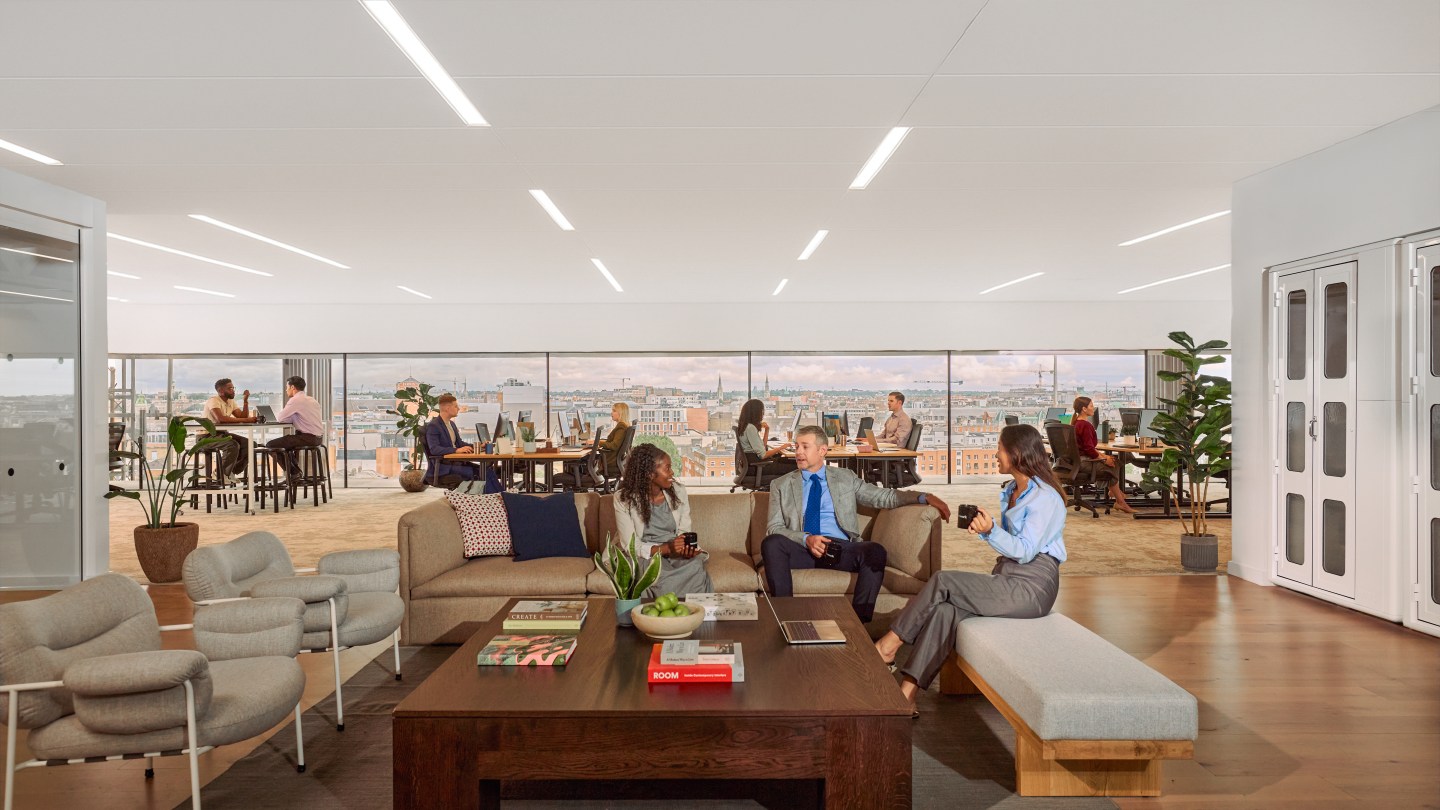
Without hallway conversations, team lunches, or bowling nights after work, many workers found themselves with much fewer opportunities for spontaneous connection. The lines between personal and professional life blurred, creating a real need for intentionally designed spaces that restore balance.
Coworking spaces recognize that we don’t just need places to get work done. We also need places that help us feel human while doing it. And that’s what WeWork is all about, too.
How coworking fits the third space role
Over time, third spaces acquired new meanings, too, and they often include coworking environments. And it makes sense for these to attract freelancers, remote workers, and hybrid teams seeking inspiration through connection.
As such, coworking spaces share many of the qualities that characterize great third places:
- Neutral ground, where no one “owns” the space more than anyone else, so everyone is welcome and equal;
- Low barriers to entry, with flexible memberships, day passes, and shared desks;
- A mix of regulars and newcomers, creating familiarity but also an element of freshness and inspiration;
- Social diversity, bringing together people from different industries and backgrounds.
Unlike traditional offices, coworking spaces aren’t built around hierarchy or fixed 9-to-5 schedules. They encourage people to coexist and cowork, of course, because in the midst of this diversity, connections form naturally and inspiration comes easily.
Why third spaces matter at work
Third spaces in coworking spaces include any common area that has the potential to bring people together. At WeWork, you’ll find bright and colorful lounges, roomy event spaces, fresh outdoor spaces, and fun game rooms, to name only a few of the spots where members can connect. And each of these matters, because:
- They can ease loneliness
As mentioned earlier, isolation is one of the biggest challenges that remote and hybrid workers experience. Even the most independent workers benefit from being around others, seeing a familiar face, making small talk, enjoying a coffee break.
WeWork always prioritized creating this social backdrop without it feeling forced. You can focus when you need to, connect when you want to, and just overall feel less alone in the process.
- They spark creativity
It’s extremely difficult to be creative when you’re confined to the same four boring walls. Creativity instead thrives on novelty: new people, fresh energy, a change of scenery. You’ve probably experienced it yourself: it’s like your mind comes alive after a refreshing conversation or a place that’s conducive to creative and innovative thinking.
At WeWork, inspiration often comes from the small moments: a conversation in the lounge, a new perspective overheard in the kitchen, or simply seeing people working toward different goals under the same roof.
- They make the workday feel more meaningful
Third spaces add that little something you didn’t even know was missing from your day. A common lounge can create room for informal conversations, a wellness room can provide mental breaks, a game room is perfect for bonding over the same passions, and so on.
- Designed for focus AND connection
The right coworking space offers balance between places to focus and places to collaborate and connect. Their design revolves around the same welcoming feel and flexibility that classic third places are loved for.
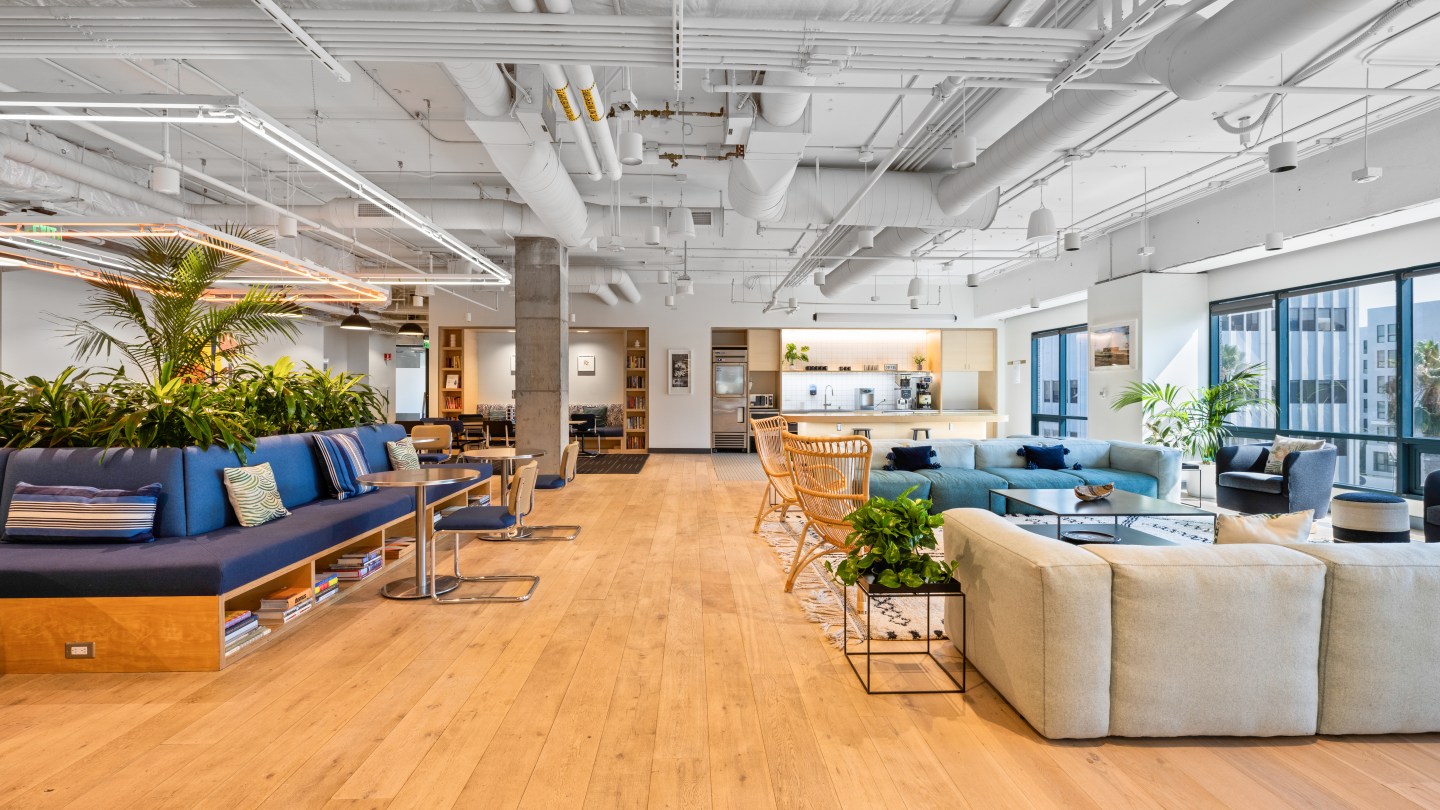
At WeWork, for instance, you won’t find rows of desks and harsh lighting, but can enjoy:
- Café-style seating and shared tables;
- Comfortable lounges and natural lighting;
- Artwork, plants, and thoughtfully designed common areas.
These spaces are all about supporting different modes of work and interaction throughout the day.
Community is built with intention
Would these designs alone create that sense of community and belonging we all want and need? Probably not. But a true third space also creates ways for authentic community building.
Events like talks, workshops, and happy hours create opportunities for conversation and shared experience. Community managers at WeWork also help foster a sense of community by helping make introductions so no one is left out.
Over time, these interactions turn a shared workspace into a familiar place—one where people recognize each other and feel comfortable, or even excited, showing up.
WeWork’s take on third spaces
WeWork recognizes that work isn’t just about productivity. By designing spaces that support networking and casual interaction, WeWork brings third-space energy into the workplace.
From shared lounges and coffee bars to community events and thoughtfully designed common areas, these spaces add something extra to the workday. They make room for connection alongside focus, whether you’re here only for one day or for the long haul.


