



It seems that return-to-office mandates have ruled throughout 2025. And the reasons are manifold. Officially, the push for back-to-office is about collaboration, teamwork, and a stronger company culture. In reality, that’s only one part of the story.
First, it was fully remote work. Then, it was partially remote. Now, we are seeing another shift. More companies started calling employees back, some for a few days a week (a hybrid schedule), others for the full workweek (a traditional approach).
A CBRE study confirms this trend: 37% of companies are mandating office attendance this year, up from just 17% in 2024.
So what’s driving this change? While employers often mention collaboration, culture, and innovation, there are also quieter motivations at play, like trust issues and financial pressure. Understanding these reasons helps everyone: employers and employees alike can better prepare for how these policies are put into practice.

The official reasons: collaboration, creativity, and culture
When leaders talk about RTO mandates, their message is usually optimistic. They want people in the same physical place for stronger teamwork and better collaboration, both of which can lead to a more connected culture. And we can all see how these could be real benefits.
Coworkers sharing the same space can brainstorm more easily, without the impersonal feel of the screen or the distractions and interruptions of home. Casual hallway conversations are also natural connection builders. Not to mention that for new hires, being around colleagues can help them feel part of the team, absorb company rules, and learn more quickly.
Studies support this. Research from Stanford found that in-person teams generated around 20% more ideas than those who met virtually. So if you ask any organizational leader why employees should return to the office, they’ll probably list these reasons. To them, this is the way to regain what they think was lost during remote work: the human element.

The quieter motivations: trust, control, and financial reasons
Besides the official reasons, there are also subtler forces driving return-to-office trends.
Trust is one of them. Remote work has changed what productivity means, or at least how managers can measure it. Many have had to shift their mindset: to judge performance not by how much time employees spend at their desks, but by the outcomes they deliver. And according to Harvard Business Review, 41% of managers still question whether remote workers can stay motivated in the long run, or, in other words, put in the necessary work without close supervision.
This is why some leaders may feel reassured or more in control when they see everyone back at their desks. They can walk up to a team member for a quick check-in and immediately see how projects are progressing. This doesn’t necessarily come from a lack of trust; it may simply be a result of a past habit. After all, many senior leaders worked their way up in environments where presence equaled performance.
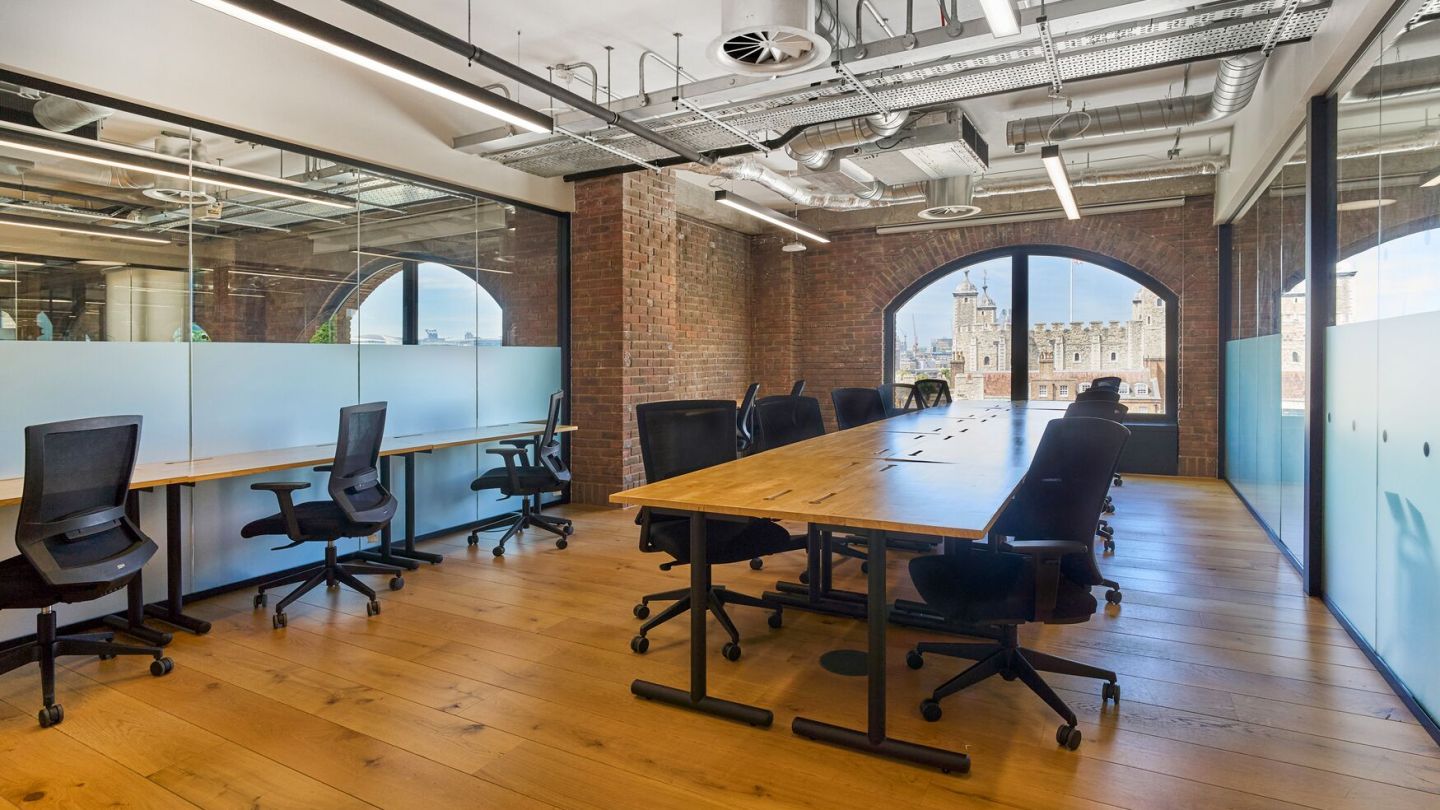
Financial realities also play a role. Office space can be a strain on the budget, and for some organizations, it’s hard to justify empty floors. Encouraging people back helps make better use of existing workspace.
It’s important to note that these quieter motivators don’t cancel out the official ones. They simply show that companies often have multiple reasons for seriously considering an RTO policy.
Why employees are reluctant to return full-time
For employees, the story looks a little different. And it’s important to also listen to what they have to say. Many have built lives around the flexibility remote and hybrid work allows. And there’s more to it than simply avoiding rush-hour traffic — it’s about autonomy and balance.
Surveys show that flexibility is now one of the most valued aspects of modern work. People have learned to manage their time in ways that fit their lives, leading to better well-being and, in many cases, higher productivity. A 2022 Gallup survey found that remote and hybrid workers report less burnout and better work-life balance than those who are fully on-site.
It’s also worth noting that for many, working from home means better concentration, easier childcare coordination, and a healthier daily rhythm. Losing that flexibility can feel discouraging, especially when employees believe they’ve already proven their ability to perform from anywhere.
You can’t please everyone — but it’s worth trying
Of course, things are often more nuanced. Not every company wants to impose return-to-office mandates, just as not every employee refuses to go back. The sweet spot lies somewhere in between.
Contrary to what some leaders might believe, workers do value the office. Many appreciate the social element of in-person time. But what they want is the freedom to choose. More often than not, employees know how and where they work best, so they can decide when coming in makes sense for them.
The conclusion? Imposing anything restrictive without dialogue rarely works. Forcing a return to old habits may alienate talent, so the future of work should focus on finding balance (on pleasing everyone, so to speak). Hybrid policies seem to do that best: a few days in the office for face-to-face collaboration, and the rest spent remotely for focused work. This way, employers know how much office space they’ll actually use and can use it more intentionally, even redesigning areas to encourage collaboration.
Purposeful presence and WeWork’s role in it
This brings us to the concept of purposeful presence. It means bringing employees back to the office when it matters: for training sessions, creative projects, and teambuilding activities. This approach offers that much-needed balance between what leaders need (culture, creativity, productivity) and what employees want (flexibility, autonomy, and trust).
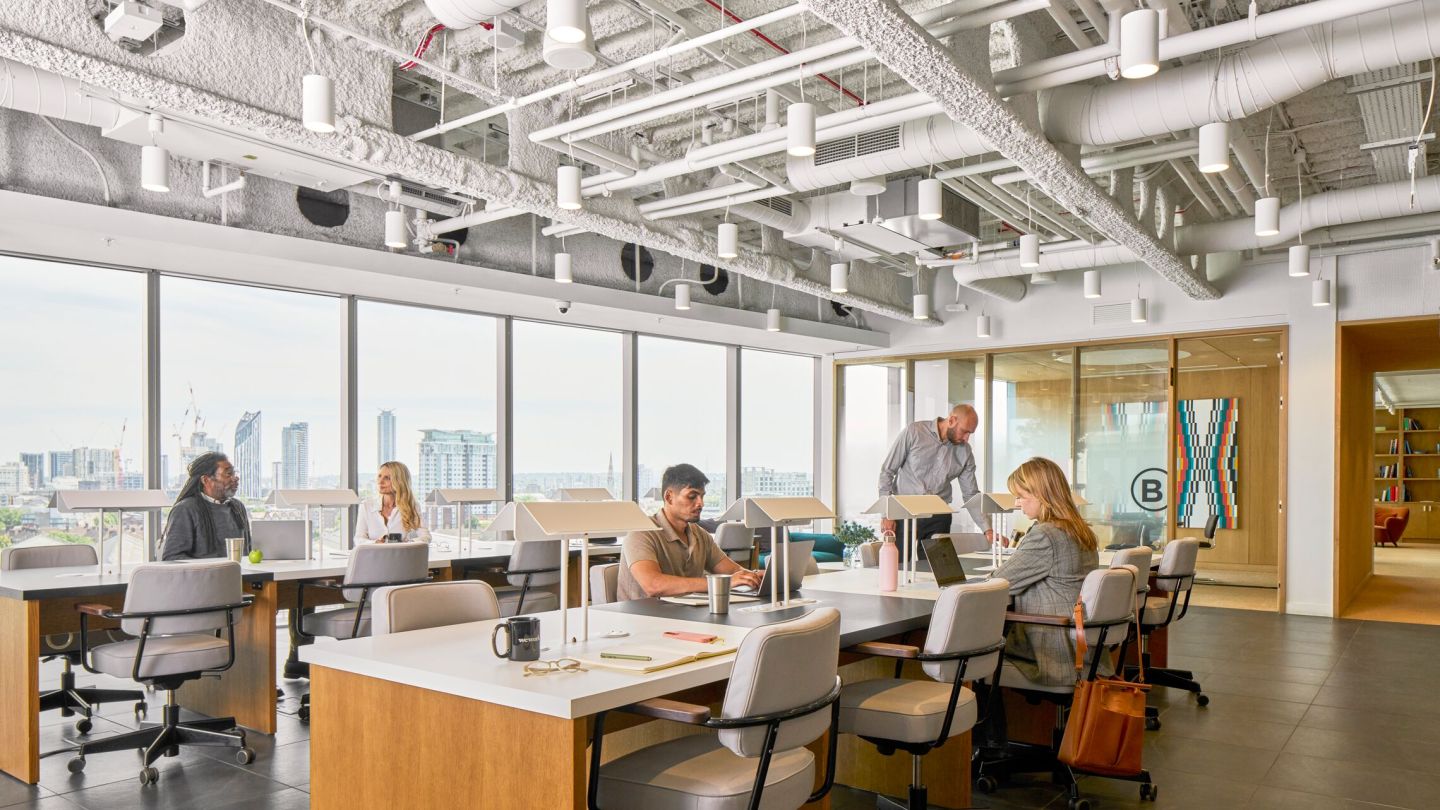
For companies finding it challenging to secure office space that meets the needs of a hybrid, remote, or full-time workforce, WeWork offers a variety of solutions. From coworking passes to private offices and meeting rooms, there’s an option for every company, professional, and schedule.
The best part? You only pay for the space you use, when you use it. So whether you’re in the office two or three days a week or full-time, WeWork provides intentionally designed spaces, diverse amenities, and the services that help a business run smoothly.
This way, you won’t just bring people back to the office… You’ll give them a good reason to be there.


