


There’s no way around it: the shift to hybrid work has reshaped how teams collaborate and stay productive. While flexibility has given employees more freedom to choose where and how they work, it’s also introduced new challenges: maintaining a sense of connection among coworkers, ensuring effective communication, and overcoming geographical barriers.
In a recent webinar, leaders from Zoom and WeWork took a closer look at these challenges and shared tried-and-tested ways to address them. They explored how technology and workspace design can work hand in hand to help teams stay focused, creative, and connected, no matter where their work happens.
Where remote work falls short
Working from home can provide more freedom, but many organizations have noticed a drop in productivity as team members have fewer chances to connect. While technology offers solid alternatives, it still can’t replace the casual conversations that happen around the watercooler.
“People want collaboration,” said Elton Kwok, General Manager for WeWork’s West & Canada region. “They’ve seen productivity decrease with remote work, so finding environments where people can be together is vital.”
According to Kwok, nearly 92% of companies with in-office policies say collaboration is the main reason for bringing people back together. Face-to-face time still matters, even in a flexible world. This is why many teams now swear by hybrid arrangements.
The right tools and spaces for effective hybrid work
Hybrid work offers that sweet spot between employee autonomy and in-person collaboration. But more than just flexibility, it’s about giving people the right support to do their jobs effectively, both virtually and on-site. And for that, Zoom provides just the solution.
“Zoom Workplace is an all-in-one platform,” said Angela Donohue, Senior Product Marketing Manager at Zoom. “You get communication tools like meetings and phone, plus productivity tools like docs and whiteboards, all in one place.” One key feature is Zoom’s AI Companion, which helps summarize meetings, organize chat threads, and even create documents from notes. This helps people spend less time jumping between tasks and more time focused on things that require their focused attention.
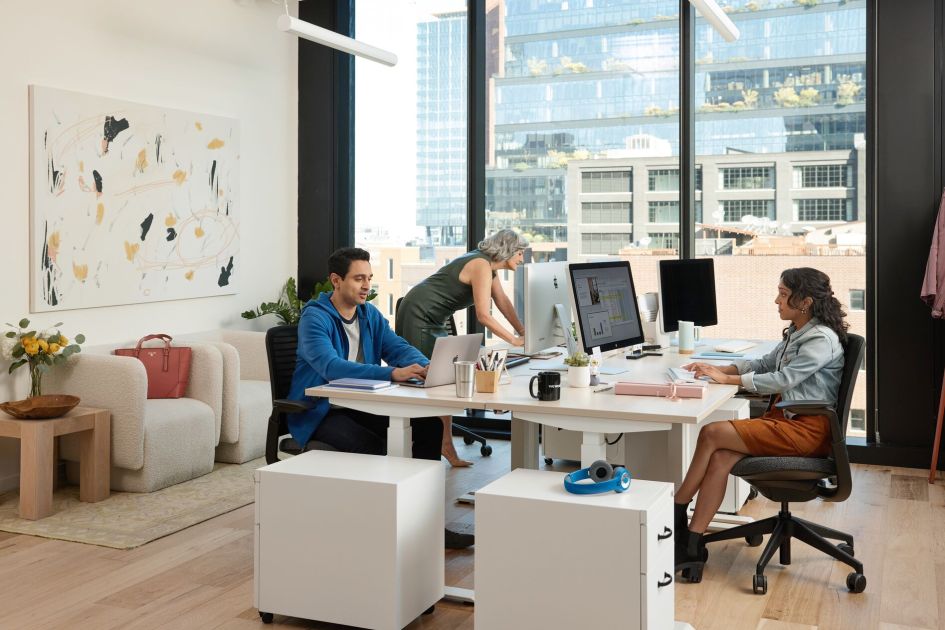
WeWork, on the other hand, provides physical spaces where teams can come together when needed. These spaces are designed to support focus, comfort, and collaboration with tech-enabled meeting rooms, quiet areas, and locations close to where employees actually live. “We want to provide workspace options where people are,” said Kwok. “And we want those spaces to help people do their best work.”

Using office time wisely
When people do come together in person, that time should be meaningful.
“It’s important to make employees feel connected to each other,” Kwok explained, “otherwise they won’t have the confidence, authenticity, and transparency to communicate and solve problems in a way that is required to make companies better.”
In-person events, like planning meetings or team off-sites, can build stronger relationships. WeWork often sees teams using their boardrooms for exactly that. These gatherings help team members connect, build trust, and recharge, which can be harder to do over a screen.
Helping people avoid burnout
Hybrid work can give people more control, but it can also lead to longer hours, more meetings, and blurred boundaries. To help manage this, Zoom encourages employees to be smart about how they spend their time.
“You don’t have to attend every meeting,” Donohue said. “AI Companion can tell you if your name came up or if there are action items. That way, you focus only on what really needs your attention.” With the right tools in place, employees can prioritize better without feeling guilty about skipping a meeting that doesn’t require their input.
WeWork also sees building a strong company culture as another key part of avoiding burnout. Kwok shared how important it is to make space for fun and casual moments—whether through coffee chats, social events, or quick check-ins.
“Good culture produces good productivity,” he said. “And that starts with meeting people’s individual needs, creating space for fun, and building real human connection.”
What leaders can do differently
There’s no one-size-fits-all solution to increasing productivity in a hybrid work setting. The best leaders are staying flexible and listening to what their teams need. “Every leader, every company, has to have a dynamic approach,” said Kwok.
And while in-person time is valuable, Donohue believes culture can still be built virtually; it just takes more intentionality. “It’s hard to get everyone in one place at the same time,” she said. “But with the right tools and leadership support, connection is still possible.”
When teams are spread across cities or time zones, small moments like quick one-on-ones, async tools, or virtual celebrations can still create a sense of belonging.
Moving forward, together
The conclusion? Hybrid work is here to stay. But for it to truly succeed, companies need more than flexible policies. They need the right combination of tools, spaces, and culture that help people feel connected and supported, wherever they are.
Zoom and WeWork show how this can come together. From smarter scheduling and AI-powered tools to easy-to-access workspaces and thoughtful team building, their approaches offer a walkable path forward.


