You’re a consultant who charges $250 an hour. Your work is meticulous and your track record is strong. Your client retention rate is excellent, too. But then, you host a new prospect for a meeting and welcome them into your home office, a stack of mail on one end of the table and children’s toys on the other. You notice them noticing.
The meeting goes fine, but the proposal you send afterward takes three weeks to get signed instead of three days.
Nothing about your skills changed. But something about the room told a story you didn’t mean to tell.
Why? What does your workspace have to say about your business? The answer is, more than you’d think, and it’s usually louder than your pitch deck, too. Let’s explore that.
Your space talks before you do
Think about the last time you walked into a meeting at someone else’s office. Before anyone shook your hand, you’d already registered the environment: the lighting, the acoustics, the temperature, the furniture, whether the office felt put together or thrown together. Your brain made the assessment before you even had the chance to decide if you wanted to assess or not. Our brains work like that: we read the room the same way we read a person’s face before they start speaking.
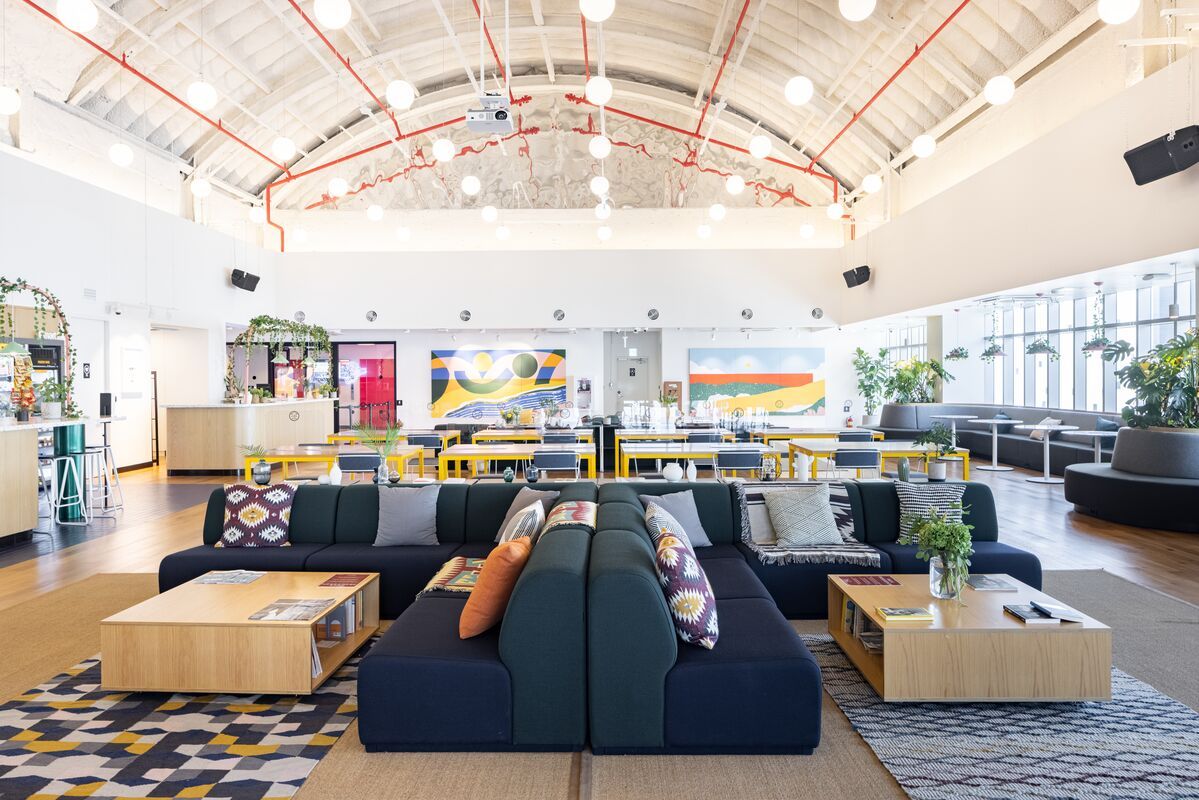
That said, a well-composed room, meaning clean, well-lit, and intentionally designed, elevates every judgment that follows, especially those of your competence, reliability, attention to detail, maybe even your pricing. In other words, the environment is the first piece of evidence a client has about what it’s like to work with you; it doesn’t prove anything on its own, but it shapes the impression that follows.
A cluttered, improvised, or visibly cheap space does the opposite: it calls your professional worth into question.
The signals that matter most
While a marble lobby may be unattainable, you do need to consider some features clients register in a space:
- Lighting is the single biggest environmental cue. Natural light reads as healthy and high-quality, while overhead fluorescent lighting reads as institutional or budget-conscious. If your workspace has windows, make the most of the natural light. If it doesn’t, invest in warm, layered lighting that doesn’t flatten the room.
- Order and cleanliness are next. A client who walks into a tidy, well-maintained space assigns that same quality to your work. Alternatively, a client who sees cables on the floor and coffee stains on the desk may start wondering whether the same lack of attention extends to your work..
- Material quality sends subtler signals. The furniture doesn’t have to be expensive, but it does need to look chosen rather than assembled from whatever was on sale. For a home office, that would mean a clean desk, a decent chair, but also a consistent color and texture palette.
But what if your client doesn’t come to you? What if it’s a virtual meeting?
Your Zoom background is your new reception area
For many remote and hybrid professionals, conversations happen entirely through a camera. Your video-call backdrop has replaced the reception area as the first spatial signal a client sees, and it’s on display for the entire meeting.
A clean wall, good lighting, and maybe a bookshelf with real books behind you communicate care and attention to detail. Alternatively, a virtual background that glitches every time you move communicates the opposite. And if you turn off that virtual background only to reveal a messy room visible over your shoulder, the client may draw negative conclusions no slide deck can overcome.
Just to be clear: you don’t need a videographer’s studio. You need a space that looks like you chose and designed it on purpose: a neutral, well-lit background, maybe a decent lamp, and nothing in the frame that competes for attention. If your home doesn’t have that corner, you may want to consider a coworking space – which brings us to the next question.
When to borrow a better room
For everyday solo work, your kitchen table might be fine, and a proper home office, a welcome upgrade. But for the moments that shape whether a client says yes, the meeting where the contract gets discussed, or the pitch where first impressions determine whether there’s a second meeting, the environment needs to reflect the quality of the work you’re doing.
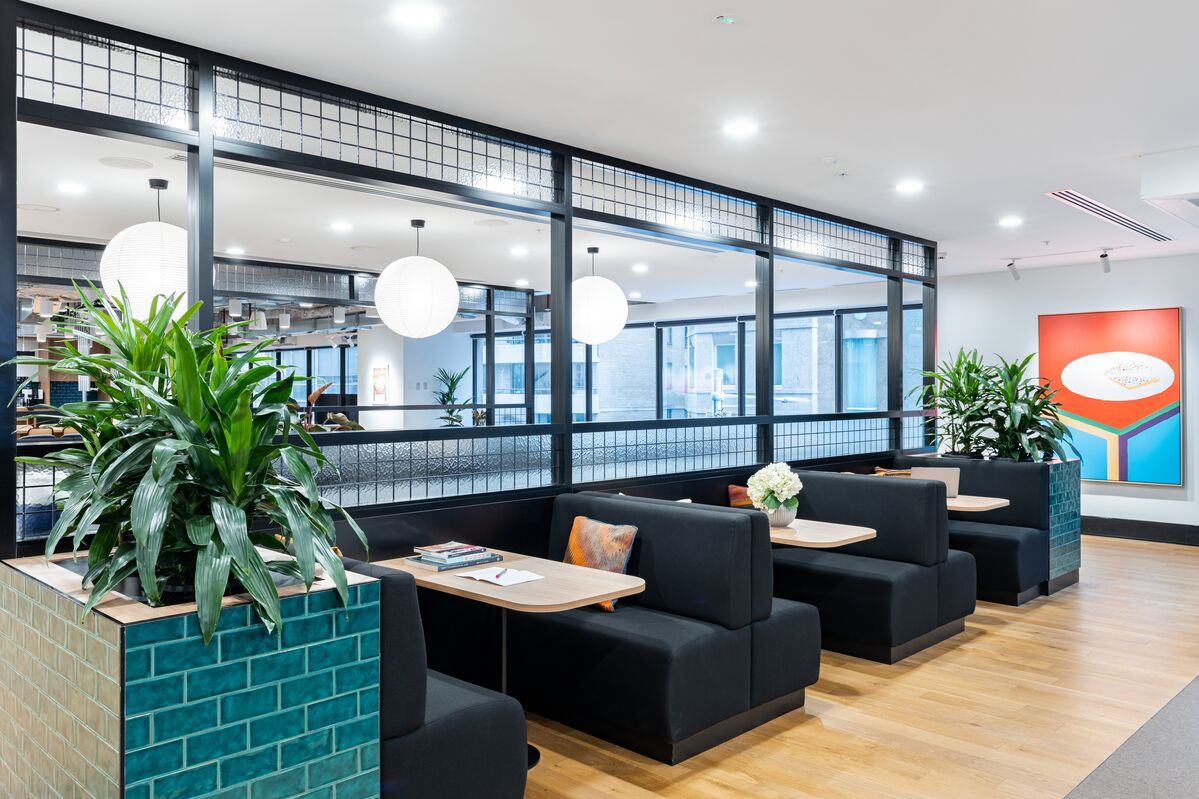
A professional meeting room doesn’t require a lease. A coworking space for client meetings gives you a hospitable entrance, a clean conference room with proper audio-visual equipment, good lighting, comfortable seating, and the credibility of a space that was designed to impress. You book the room, walk in, host the meeting as if you own the space, and the client’s experience becomes indistinguishable from what they would have with a company ten times your size or that leases its own office space.
This is one of the unique advantages of flexible workspaces: it gives small businesses, solopreneurs, freelancers, and consultants access to the same environmental credibility signals that large companies spend millions building into their headquarters.
And one more thing to address.
The gap between how good you are and how good you look
For many small businesses, the problem is rarely the quality of the output. The problem is the gap between the work and the setting where that work is presented. That gap leads to slower closes, lower pricing confidence, and prospects who can’t quite articulate why they went with someone else.
Closing that gap requires knowing what your space is communicating, then making a few deliberate choices, including that of opting for a turnkey space when you need it.
WeWork On Demand lets you book a professional workspace by the hour or by the day, with no monthly commitment, at 300+ locations. For regular client-facing work, an All Access membership puts professionally designed conference rooms, community areas, and private offices within reach wherever you need them. It’s a practical way to make sure your space says what your work already proves.