


There is a common assumption that Gen Z will not go into the office. The data, however, tells a different story.
According to Gallup, only 23% of remote-capable Gen Z employees prefer fully remote work, the lowest share of any working generation. The cohort everyone assumed would never return to the office is the one that wants to be there the most.
But here’s what catches workplace leaders off guard: wanting to come in is not the same as wanting to be told to come in. The second that choice becomes a mandate, the goodwill disappears.
If you’re wondering how to attract Gen Z to the office, you’re asking the wrong question. What you should be wondering is how to make the office worth choosing.
They’re not coming in for the desk
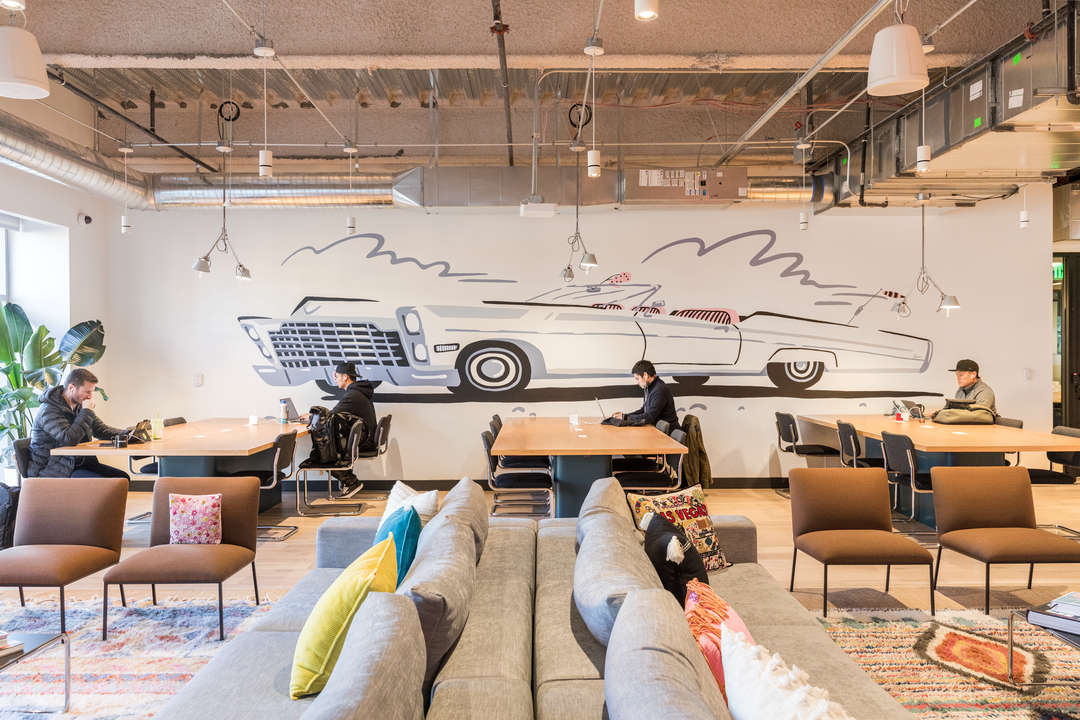
What Gen Z wants from an office has almost nothing to do with the physical desk and everything to do with what surrounds it.
Deloitte’s 2025 Gen Z and Millennial Survey found that learning and development are among the top three reasons Gen Z chose their current employer. Only 6% say reaching a senior leadership position is their primary career goal, and you shouldn’t confuse that with apathy. This is a generation that defines growth as skill, not title.
The office is where that growth happens fastest, not through formal training programs, but through the hallway question, the overheard strategy conversation, the ten-minute debrief after a meeting that a Slack thread can’t replicate. Most Gen Z workers started their careers during a remote or hybrid era. They never got the accidental apprenticeship that previous generations did, so, five years in, they’re actively seeking it out.
Gen Z mentorship and career development happen in proximity, which is why the office matters to this generation more, not less.
Mitigating the loneliness gap
The career growth argument is compelling, but there’s another force pulling Gen Z back to shared spaces.
Gallup data cited by Axios found that 27% of Gen Z workers reported feeling lonely “a lot” throughout their workday. That’s nearly double the rate for Gen X and close to triple the rate for boomers.
This is more of a structural gap than simply introversion or preference. A generation that entered the workforce through laptop screens hasn’t enjoyed the natural social bonds that offices create over time. In other words, they missed the coffee runs, the post-meeting chats, and everything that turns coworkers into a community.
Why Gen Z is going back to the office is as much about ambition as it is feelings of belonging and pride.
What the space needs to look like
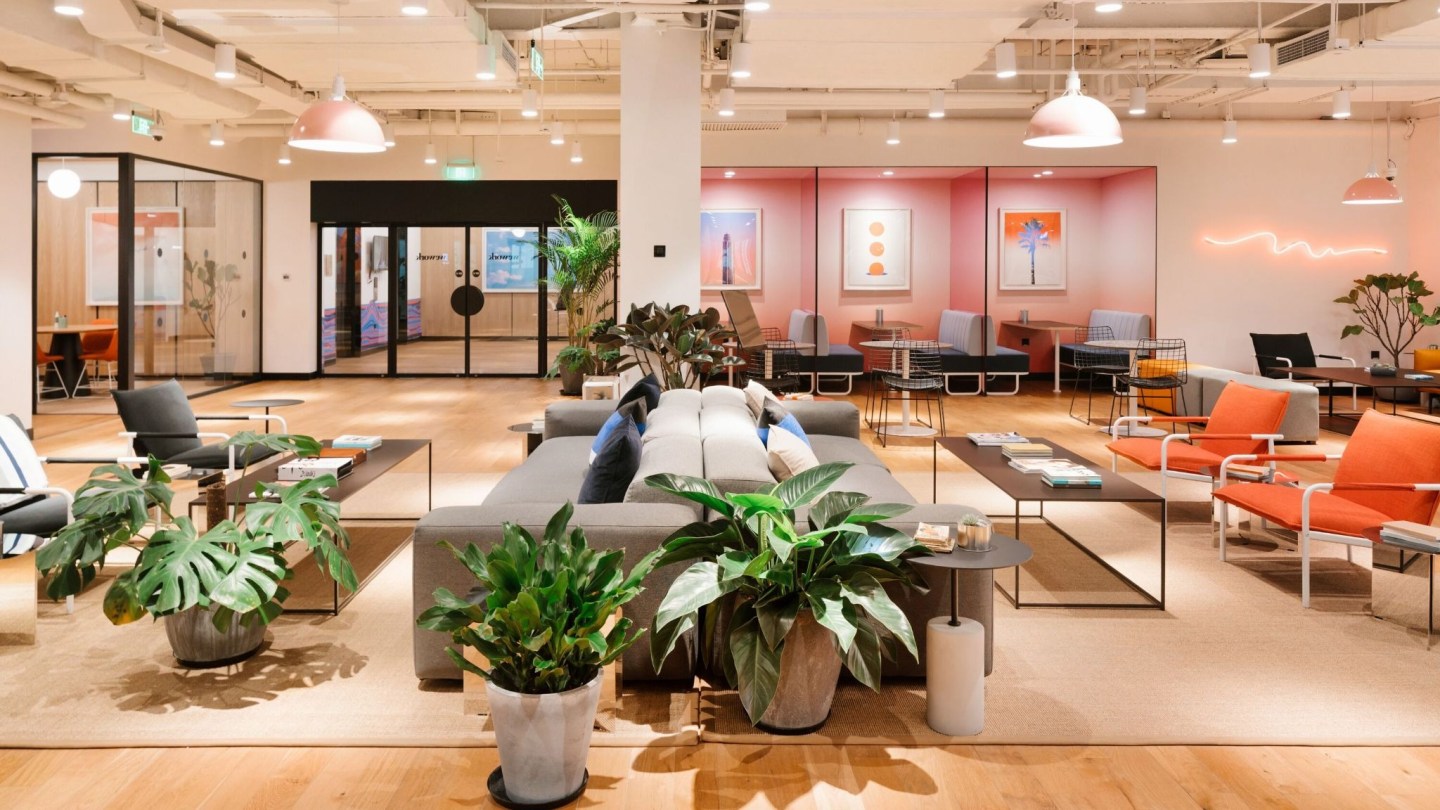
If your office looks the same as it did in 2019, it’s not going to work. Gen Z usually places greater emphasis on individual productivity than any other generation, while still citing team collaboration as the primary reason to come in. That tension tells you everything about what the space needs: environments that support both.
“Workplace designers today focus much more on function, flexibility, and choice than they did in the past. We think about the many ways people work and design spaces to support both individual and team needs. You won’t find modern floor plans dominated by cubicles and corner offices, and certainly not in our locations.” – Ebbie Wisecarver, Chief Design and Product Officer
Quiet zones for deep work. Open areas for group projects. Social spaces for informal interactions. Phone booths for private calls. Not one of these at the expense of the others. What makes a good workspace for younger employees is a range of areas that let them match their setting to their task.
The mistakes most companies make
Most companies get this wrong in one of three ways:
- Treating it as a perks question. Ping-pong tables and happy hours address stereotypes, not Gen Z workplace expectations.
- Relying on mandates. Founder Reports data shows 65% of Gen Z and millennials would leave or start looking if pushed to full-time in-office work. The generation that most wants to be in the office will walk away the moment the choice is removed. The distinction between “come in because it’s worth it” and “come in because we said so” is the entire ballgame.
- Ignoring the feedback. You can design the most impressive office in the city, but if there’s no one inside it investing in younger employees’ growth, they’ll stop showing up.
What makes Gen Z stay? The feeling that their time in the office is building something: skills, relationships, a career they care about.
Making it practical
Gen Z workers favor hybrid arrangements over fully remote more than any other generation, according to Gallup. They typically want a couple of office days a week for collaboration and the rest at home for focused work. That preference gives workplace leaders a clear framework.
So, invest in the environments that support what Gen Z comes in for: mentorship, feedback, collaboration, and social connection. Make remote days genuinely flexible, not just surveillance-lite from a home desk. And let them choose.
WeWork’s model answers each of these needs directly. Locations offer a mix of workspace types within the same building: private offices and quiet zones, meeting rooms and collaboration areas, phone booths, and classrooms and event spaces. On Demand and All Access memberships give younger workers the flexibility to choose when and where to work without a long-term commitment, which is exactly the kind of autonomy they value.
FAQ
Does Gen Z want to work from the office?
How should offices be designed for Gen Z?