


Real estate strategy is changing fast.
Executives are navigating a more complex operating environment, with economic headwinds, geopolitical tensions, and new technologies like AI all hitting at once.
“Every four to seven years, something changes. The trigger is different, but it always does change.” – John Santora, WeWork CEO
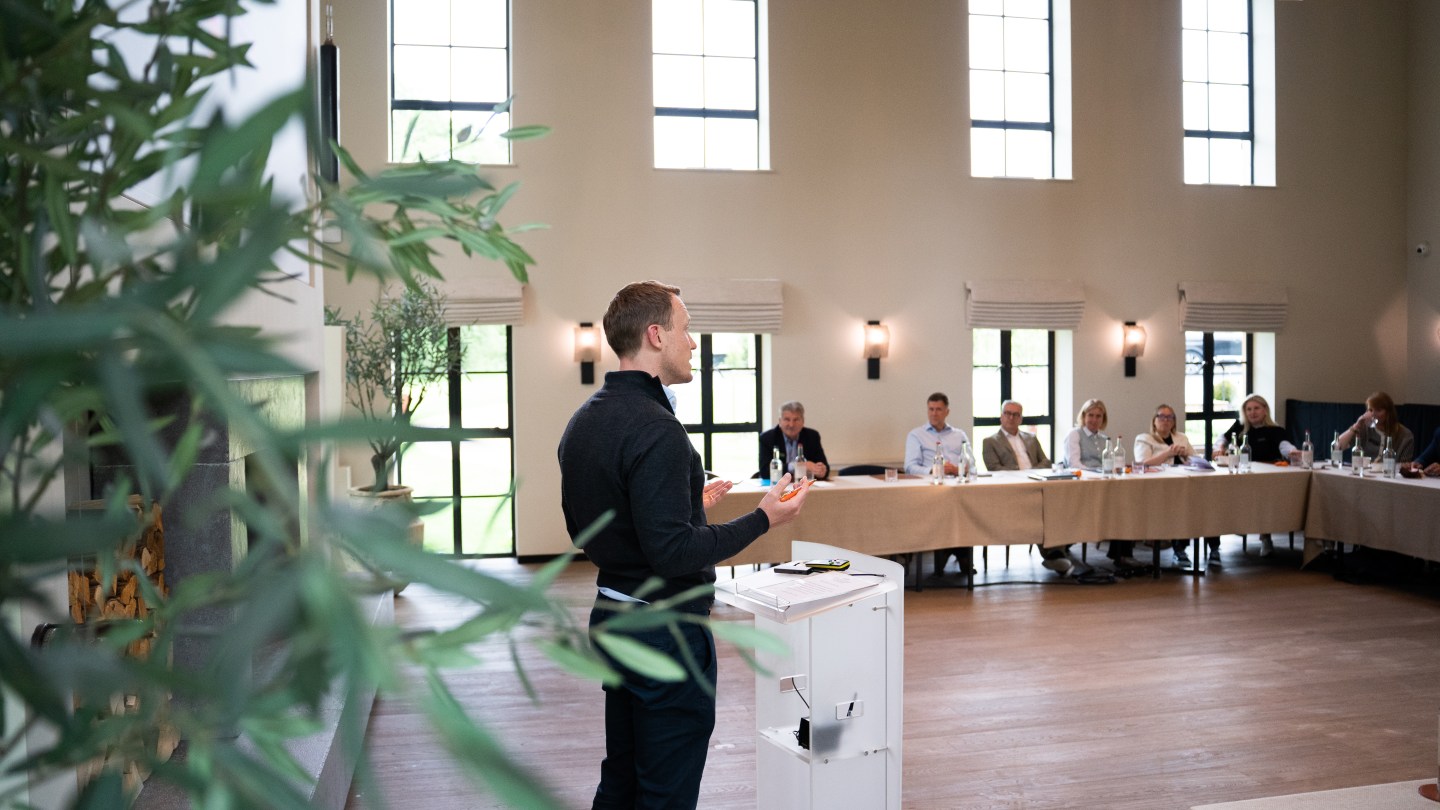
WeWork convened senior real estate and workplace decision-makers from more than 35 of its enterprise member companies – among the world’s largest organizations and spanning every major industry – for its inaugural Real Estate Summits in Napa Valley, CA, and London. The executive forums were designed to share perspectives, pressure-test assumptions, and discuss what comes next for work, space, and business strategy.
One theme emerged consistently across both summits: real estate can no longer be a static, long-term asset disconnected from the speed of the business. It has to flex with business needs to manage talent, support culture, and help companies make decisions.
Here are five major takeaways:
1. Flexibility has evolved from niche to foundational
Flexible real estate solutions used to be a practical add-on for satellite teams or to satisfy short-term needs during transitions.
Today, flexibility is foundational to adaptability and resilience. Companies need to enter and exit markets quickly, support distributed teams, adjust to changing headcount, and balance cost discipline with employee experience. In some cases, they need to simultaneously scale up and down across markets.
Likewise, leaders are making decisions in a world where five-, seven-, or 10-year real estate commitments run up against short-term business realities. Rigid portfolios are becoming a liability.
Long-term headquarters still matter, but companies now need portfolios that can adapt to changing business conditions and workforce demands. Recent leasing trends reflect this: Fortune reported that large multinationals are turning to flexible operators like WeWork to meet growing demand for agility, while a 2025 Cushman and Wakefield report noted that about 55% of global corporate occupiers now use flexible space solutions to manage their real estate.
Flexible real estate has evolved from a mere convenience to a solid strategy for managing uncertainty.
2. AI is breaking the old relationship between headcount, growth, and space
For decades, companies assumed growth meant more people and more office space. At both summits, leaders discussed how AI is disrupting that equation. As hiring, team structures, and productivity evolve, growth no longer maps neatly to headcount or traditional real estate needs.
As award-winning author and speaker Dror Poleg emphasized, “AI is injecting uncertainty that makes it difficult for people to hire or to sign new leases or to make any long-term plans just because they don’t know what’s going to happen.” Santora noted this hesitation is impacting immediate talent strategies: “We’re still in the fear stage right now. Companies will tend to underhire in the beginning and overcalculate what AI will do for their firms.”
Ultimately, navigating the AI era requires a shift in strategy and perspective. Poleg concluded: “We have to think of models that increasingly embrace that uncertainty and harness it in some ways, rather than trying to just constrain it or find the right answer in a world that doesn’t really have clear and stable answers anymore.”
Even so, companies still need spaces that support their people and priorities.
3. WeWork’s integrated and modular real estate operating system
Every company’s real estate needs are different, and those needs change over time.
Businesses are moving toward more layered, adaptive models: core flagship offices, flexible space, on-demand access, specialized environments, and market-specific solutions to support growth, enter new markets faster, and adapt as priorities evolve.
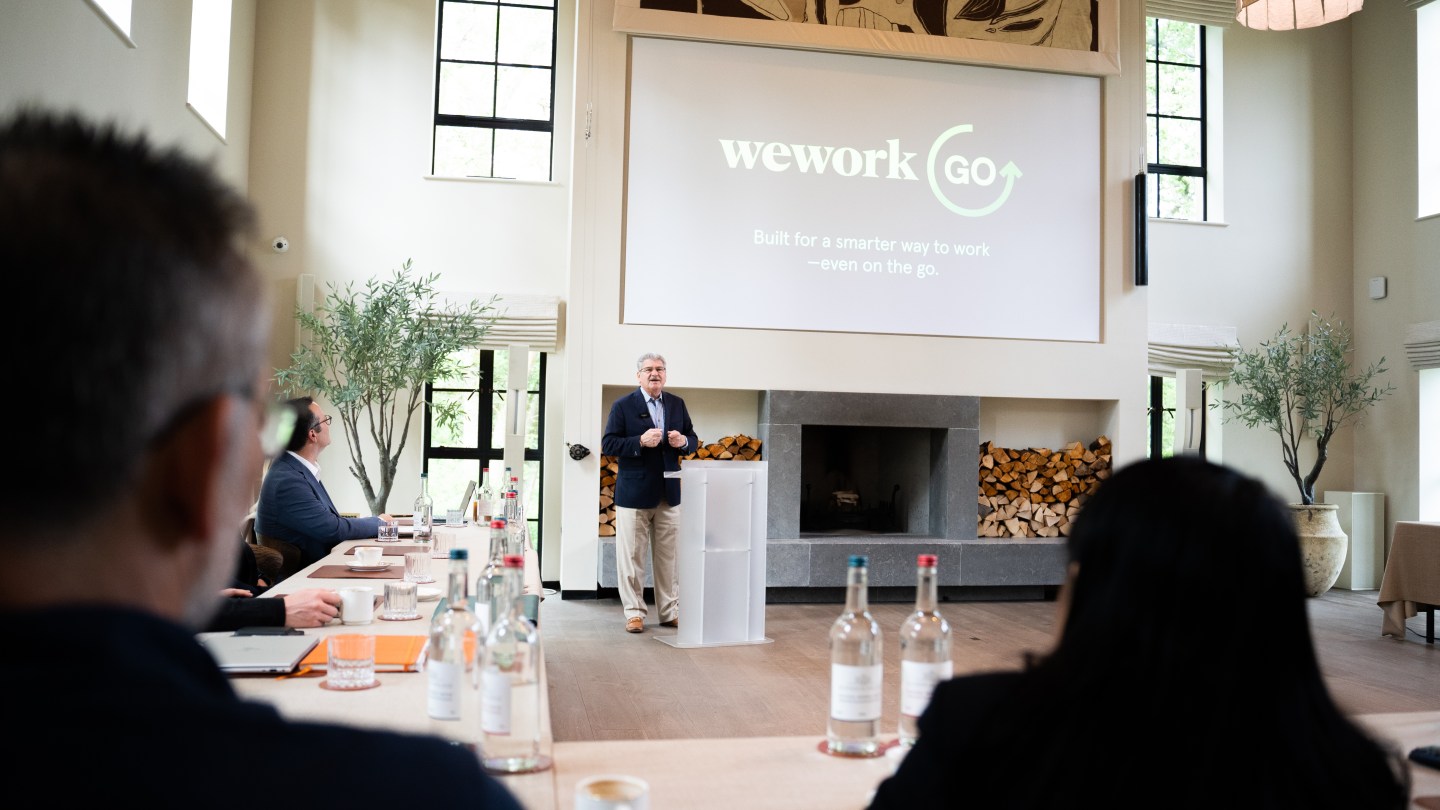
WeWork brings these solutions together in one integrated platform, helping companies of all sizes move with greater speed and agility while giving employees access to the right space when and where they need it. That shift is already underway for the largest global organizations: WeWork’s 2026 Global Fortune 500 Flex Space Report found that nearly two-thirds of Fortune 500 companies within the WeWork network are maintaining or expanding their flexible workspace footprint, demonstrating that flexibility has become a long-term strategy of enterprise real estate portfolios.
As Santora explained, “We’re operating in the midst of a structural shift in how companies use real estate. As business needs shift at a moment’s notice, your real estate strategy can no longer be one-size-fits-all. Flexibility now sits alongside traditional leases, and our spaces are designed to support that reality.”
The strongest portfolios will be built to adapt – at speed and scale.
4. Return-to-office success is measured by quality space and engagement
Return-to-office policies bring people in, but they do not guarantee employee engagement. Sustained office use depends on purpose, experience, quality of space, and the value employees get from being together.
The workplace has become a driver of collaboration, mentorship, culture, client experience, and business performance.
As Santora shared at Fortune’s Workplace Innovation Summit in May, “It’s incumbent upon all of us to bring that talent in and to educate the talent and teach them to be the future growth of all our organizations.”
For company executives, the question is no longer about people coming to a physical office. The better question is whether their spaces are designed to shape collaboration, reinforce culture, support learning, and drive engagement.
5. The biggest risk is standing still
Executives at the summits agreed: there’s a need for action.
Waiting for certainty is not a real estate strategy. Leaders are making decisions with imperfect information while AI, hybrid work, shifting talent expectations, economic pressure, and geopolitical volatility accelerate change.
More resilient real estate and workforce strategies can reduce exposure to rigid commitments, improve the employee experience, support faster market entry, and align real estate more directly to business strategy.
Companies that hesitate may end up managing portfolios built for a version of work that no longer exists.
What comes next
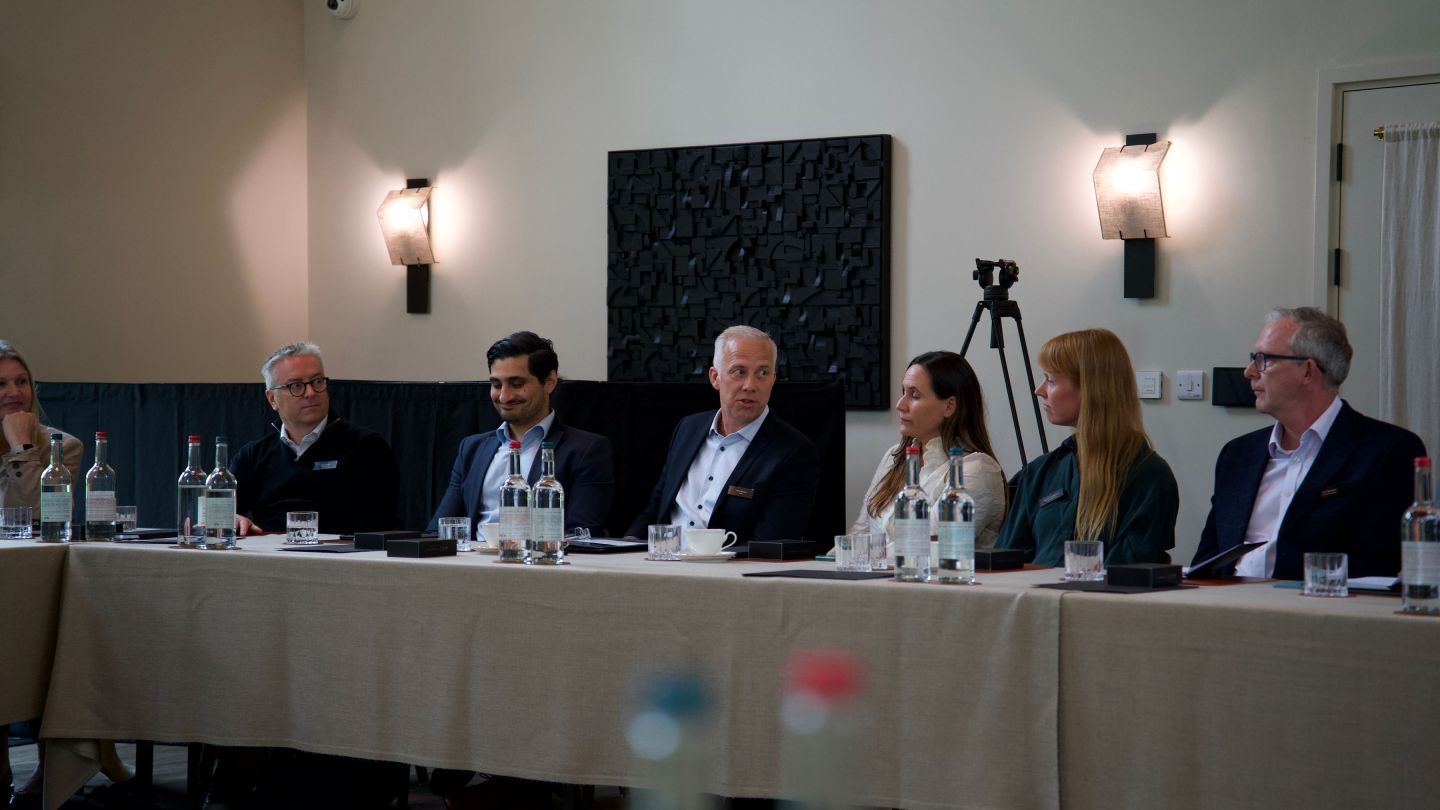
The conversations in Napa and London kept circling the same point: the old rules of corporate real estate are being rewritten.
Growth, talent, technology, and space are no longer moving in lockstep. As uncertainty becomes a permanent feature of business, adaptability may become the defining advantage.
At WeWork, we believe the future of workplace strategy will be defined by flexibility, quality, and speed. Companies need real estate strategies that help them navigate uncertainty without standing still. They need spaces that support how work actually happens. And they need partners who can help them move quickly, adapt intelligently, and build portfolios designed for what comes next.
Learn how WeWork can help your business build a more flexible, resilient workplace strategy.


