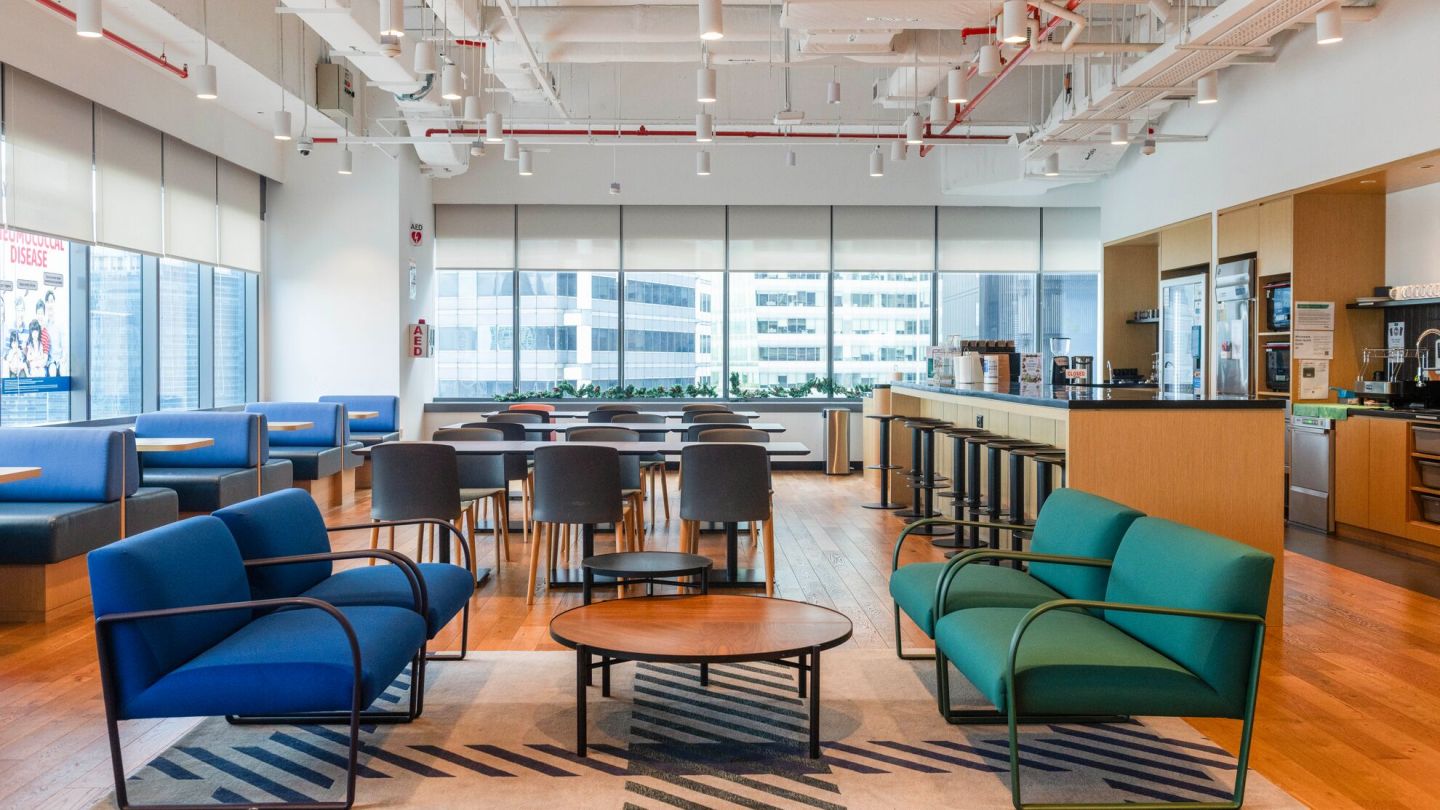
There was a time when “going to the office” meant fluorescent lighting, cubicles, and a communal coffee machine that had seen better days.
That is fading fast. Slowly but surely, the corporate world started paying attention to what hotels had always known: the environment matters, and it must shape an experience. Lobbies softened. Furniture got more comfortable. Shared spaces became less about utility and more about genuine interaction. While meaningful, the evolution of workspace was incremental; at least until coworking providers like WeWork came along and accelerated it.
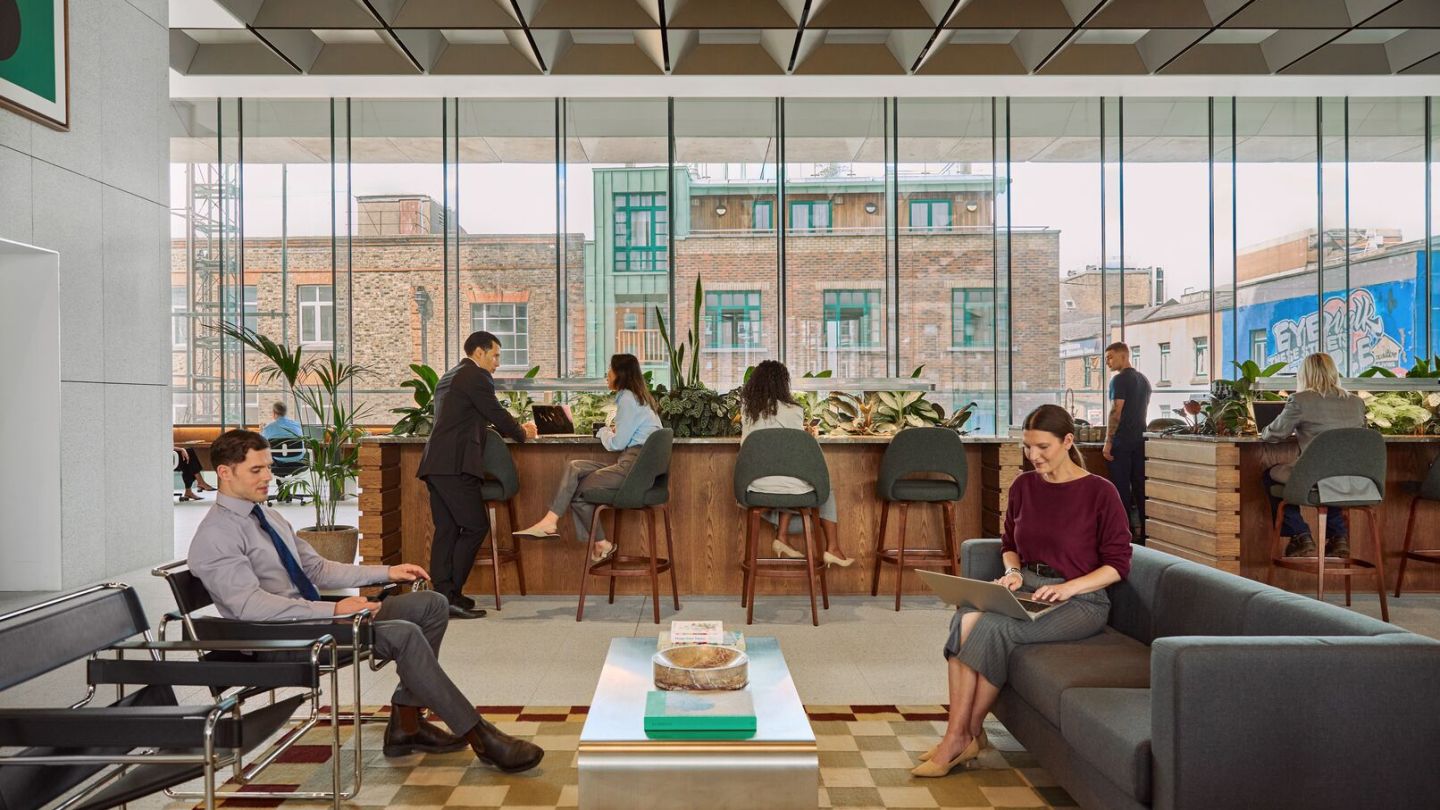
WeWork made hospitality the operating system. Flexible workspace is the product, but the experience around it, the attentive community teams, the design details that make a room feel considered is what creates loyalty among members. In a landscape where nobody has to go to the office, that experience is exactly what earns the trip. So…
What does hospitality mean in a workplace context?
Workplace hospitality is about applying the principles that define great service environments to everyday office life. Think attentive service, thoughtfully curated spaces, and a persistent focus on how people feel when they’re in a building.
While this isn’t a new idea, it has been gaining serious popularity. According to the 2024 Gensler Workplace Survey, employees in high-performing workplaces have up to 3.8x greater access to spaces for relaxation and focused concentration than those in low-performing ones. The old model, where the office was a container for tasks, is being replaced by one where the office is a destination that earns the commute.
Hospitality in the office doesn’t mean installing a marble lobby and calling it done: it means designing every touchpoint, from arrival to departure, with the same intentionality a boutique hotel would bring to a guest’s stay.
Why does the office need a hospitality mindset now?
The post-pandemic workplace handed employees something they never had before: a real choice about where they work. Remote setups proved that productivity doesn’t require a fixed address. So, when companies ask people to come back, the question hanging in the air is simple: what’s in it for me?
This is where hospitality thinking becomes a strategic tool. According to Gallup research, employees who strongly agree their organization cares about their overall wellbeing are 4.4 times as likely to be engaged at work. That sense of care is exactly what a hospitality-driven workplace delivers — not through grand gestures, but through consistent, human-centered attention.
What does this attention look like?
The four pillars of workplace hospitality
- First impressions and the arrival experience
Hotels understand that a guest’s opinion forms in the first 30 seconds. Offices should take the same cue. A welcoming work environment starts at the front door: a warm greeting from reception staff who are trained in service (not just security protocols), intuitive wayfinding, and a lobby that feels more like a living room than a checkpoint.
- Service-oriented amenities
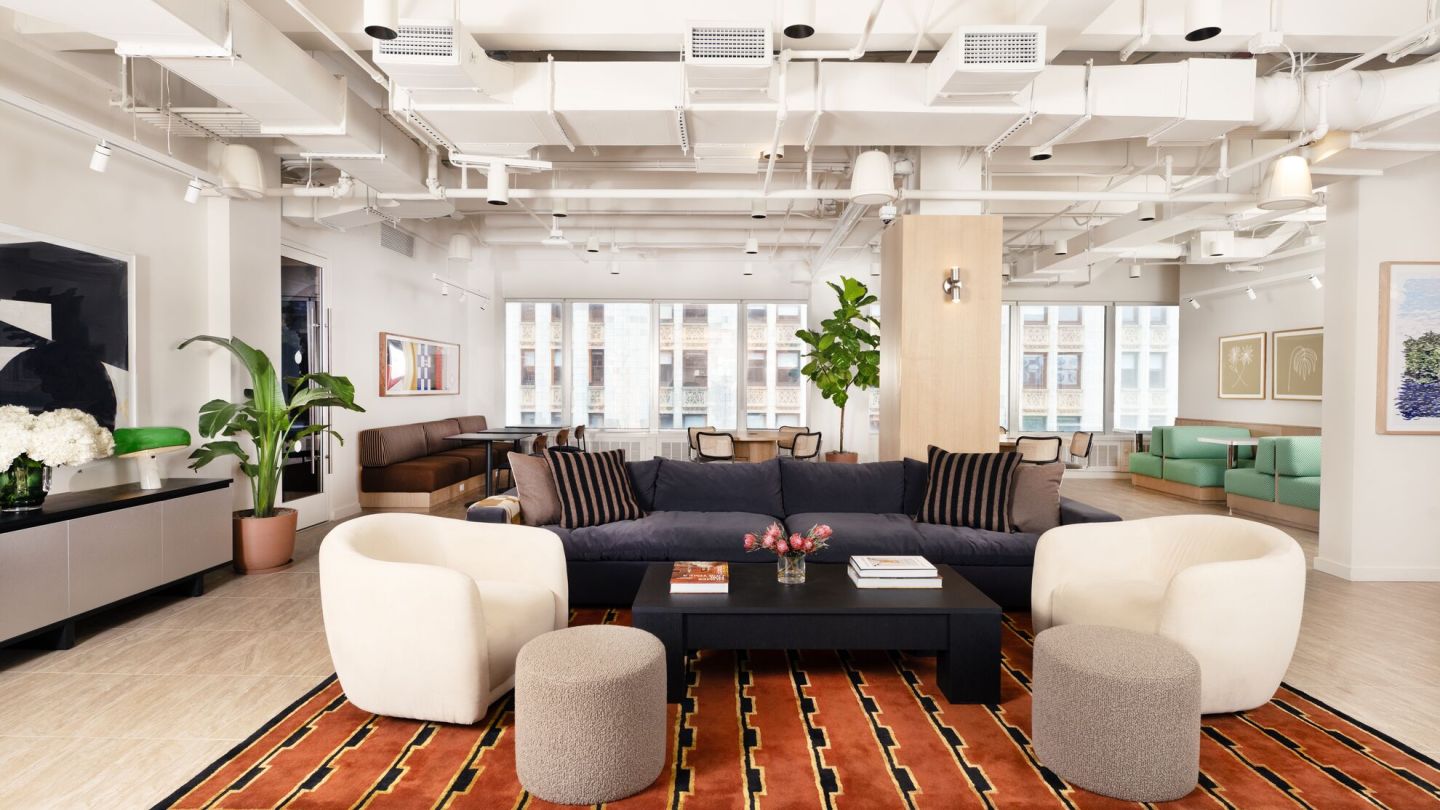
The best workplace amenities go beyond the expected. Think barista-quality coffee programs, curated lunch options, office concierge services that handle dry cleaning or package deliveries, and wellness rooms designed for decompression. These are the kinds of details that make workers feel valued.
- Designed-for-comfort environments
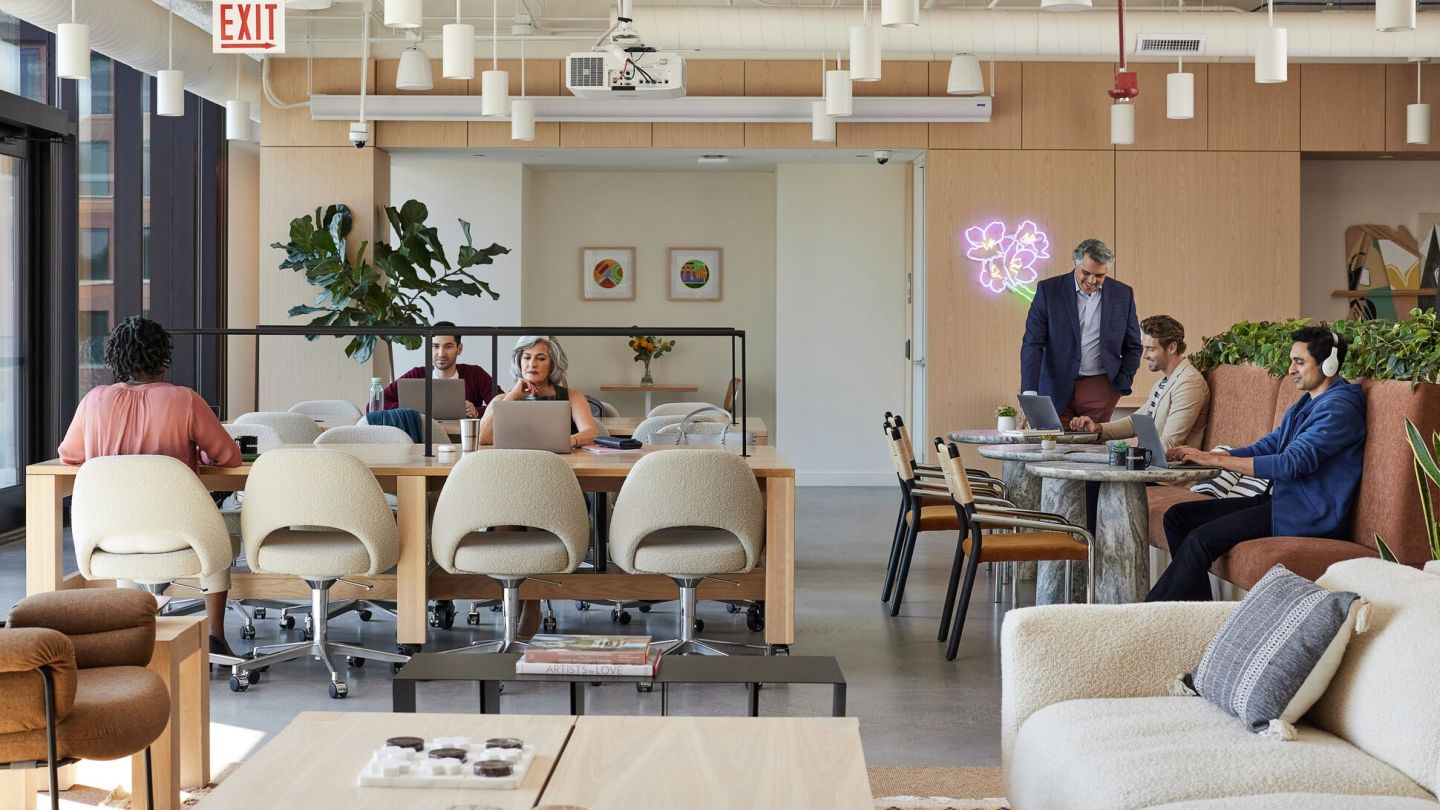
Good hospitality is often invisible. It’s the lighting that doesn’t cause headaches, the acoustics that let you focus, and the furniture that supports a full day of work without soreness. Hotel-inspired office design incorporates biophilic elements, natural materials, and flexible configurations that let people choose how and where they work within a single space.
- Community and human connection
Perhaps the most underrated pillar of workplace hospitality is the human one. At WeWork, community teams serve as the connective tissue of each space, learning members’ names, facilitating introductions, and programming events that turn a shared address into a shared identity. This kind of community-driven workspace thinking transforms an office from a place you occupy into a place where you belong.
Practical steps to add hospitality to any office
You don’t need a full renovation to start thinking like a hotelier. Here are a few steps that workplace leaders and facilities managers can start from:
- Train your front-of-house team in hospitality basics. A smile and a “welcome back” go further than any design upgrade.
- Audit your sensory environment. Walk through your office as if you’re a first-time visitor. What do you see, hear, and smell? Adjust accordingly.
- Upgrade your coffee and kitchen offerings. It sounds small, but quality coffee is consistently ranked among the top amenities employees care about.
- Create a feedback loop. Place short, recurring surveys to understand what’s working and what isn’t. Hospitality thrives on listening.
- Launch one recurring community event. A monthly breakfast, a Wednesday lunch talk, or a Friday wind-down hour can seed connection without overwhelming your calendar.
- Designate quiet zones and social zones. Let people choose their energy level, just like guests choose between the hotel lounge and their room.
The ROI of treating employees like guests
Investing in employee experience design is a business decision with measurable returns. Research from the McKinsey Health Institute, published in collaboration with the World Economic Forum in January 2025, finds that organizations prioritizing employee health and wellbeing see improvements in productivity, reduced absenteeism, and stronger retention. The report estimates that investing in holistic employee health could generate almost $12 trillion in global economic value. When people feel cared for, they stay longer and contribute more.
If the office guest experience used to be a luxury differentiator, now it’s becoming table stakes. And as flexible workspace providers continue to raise the bar, every office, from a 10-person startup suite to a corporate headquarters, will be measured against that standard.
The future of work isn’t just about where we work. It’s about how it feels when we get there.